
Understanding Heavy Equipment Transport
The global heavy supplies moving industry is valued at approximately $42 million, and more than 95% of weighty shipments are moved by sea. We don't just transport your vehicles; we also assist you with moving any item, ranging from tractors to cranes.
Your machinery is a crucial component of your spreader company's success and represents a significant investment made by your firm. Hence why reliable heavy equipment hauling is very important.
Therefore, it is essential to ensure careful handling during massive materials haulage. Bulky equipment conveyance refers to shifting large instruments and vehicles. This type of load is commonly used in industries like construction, mining, and agriculture.
Below, you will find information about the most commonly moved machinery models in the trucking industry, along with some basic information you will need to get an estimate and tips on how to approach the process.
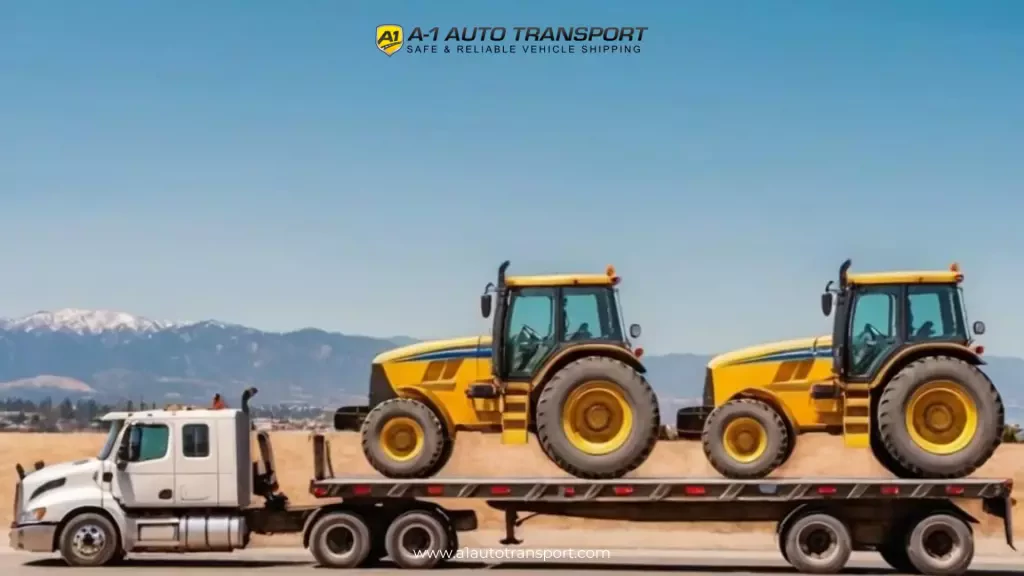
Examples Of Pricing & Time To Ship
| Shipping To/From | Cost | Distance | Estimated Time In Transit |
| Gilbert to Durham | $3743 | 2139 miles | 6 - 8 days |
| Pittsburgh to Saint Paul | $1527 | 861 miles | 3 - 5 days |
| Newark to Cleveland | $781 | 452 miles | 3 - 5 days |
| Minneapolis to New Orleans | $2177 | 1221 miles | 4 - 6 days |
| Bridgeport to Raleigh | $987 | 564 miles | 3 - 5 days |
| Albuquerque to Atlanta | $2446 | 1398 miles | 4 - 6 days |
| Memphis to Oklahoma City | $835 | 466 miles | 3 - 5 days |
| Seattle to Columbus | $4780 | 2737 miles | 6 - 8 days |
Hauling Near Me
Are you in search of movers in your area? Moving large items requires the expertise of professionals in the heavy equipment transportation industry. Whether you need to transit cargo across the country or overseas, oversized deliveries can be fulfilled to any destination with the help of reliable equipment freight solutions.
General Factors
Weight, dimensions, and regulations are crucial in determining the forwarding method for heavy transport oversized loads.
Various manufacturers and industries rely on heavy machinery services to haul Implements such as farm instruments, tractors, hydraulic forklifts, cranes, bulldozers, industrial tools, engines, construction apparatus, and many other goods. We have recently helped transport different types of apparatus, including those with attachments, both in the United States and overseas.
- Conveyance for Tractor combines & farm materials.
- Backhoes and excavators
- Industrial Apparatus
- Bulldozers haul
- Dump trucks
- Forklifts
- Hydraulic haul
- Engines haul shipment
- Track loaders & graders
- Pile drivers of haul
- Large trucks & vehicles
- Transport vehicle
- Trenchers & scrapers
- Engineering & agricultural tools
Contact Us
We can also move just about anything else. If you have any questions about your conveyance needs, contact us, and we’ll be happy to help you or point you in the direction of someone who can help!
Our Bulky Transit Insurance Policy
Because weighty instruments insurance covers damage to the materials during conveyance, asking customer support about our insurance policies for hauling are asking about insurance. Whether you work directly with a broker or the carrier, you should ensure the carrier's tools insurance covers any potential damage to your hefty tools during transit. It's also essential for you to understand how damage claims are handled.
For such information, you will have to communicate with the carrier directly. If you are working with a broker, be sure the broker carefully selects carriers with adequate equipment insurance coverage and adequately handles damage claims.
Whether you hire us to transport your oversized cargo as a carrier or a broker, we can assure you that the insurance coverage will be adequate to cover any damage to your rigs during conveyance. Furthermore, we ensure that should you need to submit a damage claim; we will assist you at every step and ensure your claim is handled promptly and correctly!
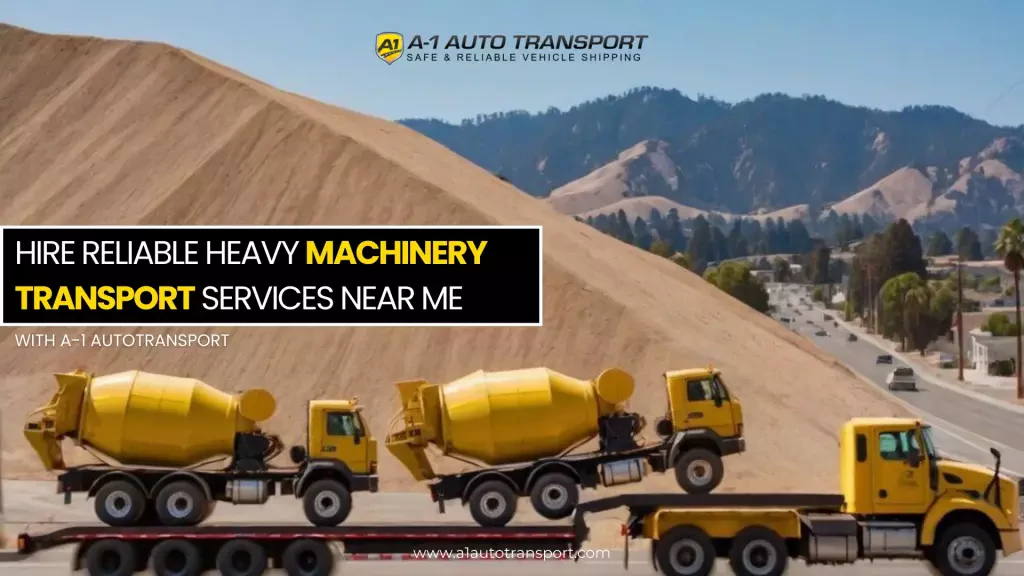
Hire Reliable Hauling Solutions Near Me
Oversized equipment moves may involve securing necessary permits, coordinating logistics with logistics agents, cargo insurance, special handling and ensuring compliance with local laws and regulations. Finding a reliable and safe apparatus moving firm is essential if you require a haul.
Search for "Heavy Machinery Hauling near me" on Google to find one. This will help you locate companies specializing in secure cargo using specialized trailers such as step-deck or flatbed trailers using the right trailer for your heavy load.
Best Fit
You can read reviews from other customers to determine which firm best fits your needs. This will give you an idea of the transportation company or transportation services reputation, experience, pricing, and more. Once you have a list of potential load carriers, you can contact them and ask questions about their products, pricing, and freight insurance.
Professional heavy apparatus movers will explain all your options, including container sizes and insurance information, and provide free quotes for moving your instrument. Some firms even have online calculators that can give fast estimates based on rates per mile, weight, and size.
Fortunately, the price for hauling machinery is known as cost-efficient, and you can expect to receive competitive pricing from reputable businesses.
Why Use Us?
The worry of complying with state requirements will be removed if you have a reliable and trustworthy conveyance enterprise like A1 Auto Transport. This covers the paperwork required to obtain the licenses to send big loads. A reputable conveyance firm like A1 Auto Freight will complete the forwarding procedure from pick-up to delivery.
This kind of arrangement is essential to the success of your project. We will also take care of the legalities and obtain your required permits. In addition, you will have more time to concentrate on other crucial matters because you will know that your priceless item is in the capable hands of shifting professionals.
Benefits Of Us
- Removes The Initial Cost Of Buying Delivery Trucks:
In the long run, you may save a lot of time and money by employing a hauling business like A1 auto freight, as they promise that all maintenance and repair costs will be covered.
- A Company That Transports And Drives Has Greater Experience
Well-known hauling businesses like ours employ drivers with extensive training and expertise who are familiar with transmitting nuances. They will evaluate the options and select the fastest, safest, and best routes to ensure your cargo arrives at its destination on schedule and in good condition.
- Obtaining Escorts and Trucking Permits Is No Longer Your Issue
Permits and paperwork won't be an issue if you decide to work with A1 Auto Carriage. It could be challenging to determine for yourself whether or not your burden is oversized. Fortunately, we will assist you in determining its size and choosing the appropriate trailer, as we are the top shipping company. Our skilled logisticians will assist you in obtaining the escort cars required for safe and authorized transit if your load is more extensive than usual.
Some Reputable Manufacturers Include:
- Caterpillar
- Case
- Bobcat
- Chevrolet
- Komatsu
- Massey Ferguson
- Kubota
- Isuzu
Texas, Hawaii, California, Florida, and New York are central U.S. states with ports that accept and handle these oversized loads. It takes specialized towing equipment, state-of-the-art carriers, and haulers to get large cargo containers from movers to their destinations.
What Is Considered To Be Gadgetry?
Heavy machinery is a broad term that refers to a wide range of devices used in various industries. This gear is defined by both its weight and size. Some common examples include:
- Tractors
- Forklifts
- Cranes
- Industrial
Machines in this category may require specialty carriers instead of traditional flatbeds. Fortunately, we can facilitate your moving needs by connecting you with one of our reputable kit movers near you.
Cost And Time To Move Examples - How Much Does It Cost?
| Distance | Cost | Estimated Time In Transit |
| 0-200 miles | $4.00 - $5.00 per mile | 1-3 days |
| 200-500 miles | $3.50 - $4.00 per mile | 2-4 days |
| 500-1000 miles | $3.00 - $3.50 per mile | 3-6 days |
| 1000-1500 miles | $2.50 - $3.00 per mile | 4-7 days |
| 1500 - 2000 miles | $2.00 - $2.50 per mile | 5-8 days |
| 2000 - 2500 miles | $1.50 - $2.00 per mile | 6-9 days |
| 2500+ miles | $1.00 - $1.50 per mile | 7-10 days |
*Prices and times for large transport are estimated. They can vary depending on the season and the supplies you transmit. Get your provider a load and easy dispatching estimate using the form above and transport heavy equipment or industrial equipment with proper loading and careful planning today.
You can give us your email address and we will provide a real-time quote for overweight loads.
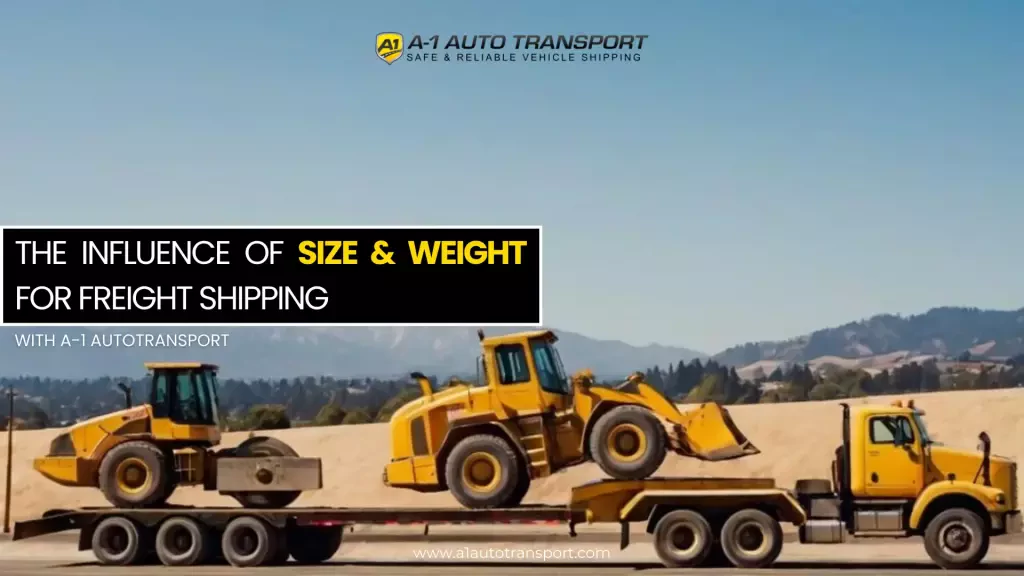
The Influence Of Size And Weight For Freight Shifting
Remember that the size and weight of your implements are the primary factors determining the overall shipment cost. Due to dimensional constraints, some materials may need to be disassembled before the movers load and unload them.
Additionally, the size and weight of your instruments may affect the hauling options available for overseas destinations. If you're dispatched overseas, a transit method for lift-on, lift-off tools may be more suitable than a flatbed truck.
You can find more information on shifting options and a guide to finding the weight of construction supplies in the resources section at the bottom of the page.
If you have any questions about a load, need guidance, or would like a cost estimate for cargo, don't hesitate to contact us today or use a quote calculator to get an estimate instantly.
We offer peace of mind, oversized load permits, fast delivery times, many load options, and the lowest rates for your instrument delivery needs.
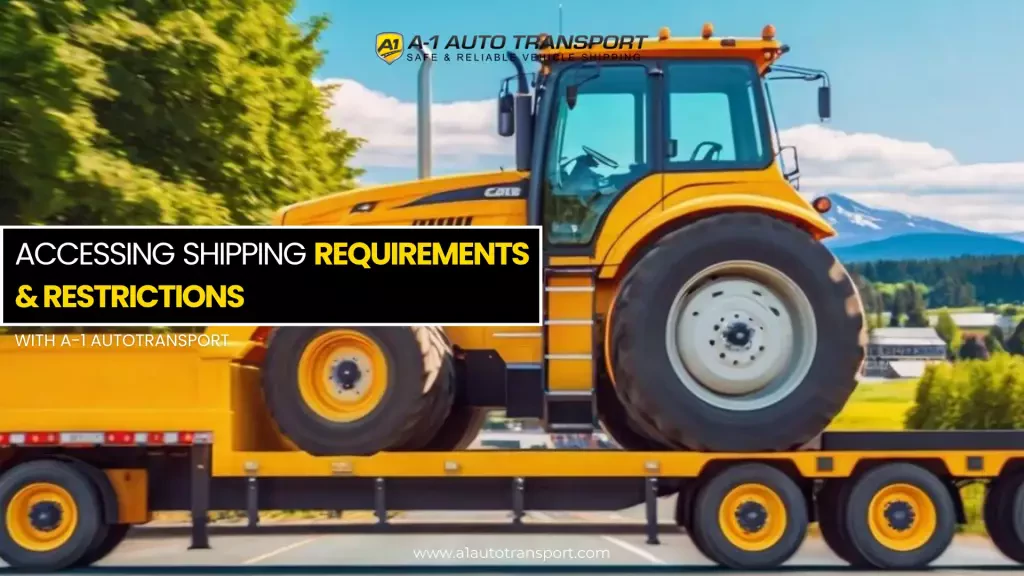
Accessing Dispatching Requirements And Restrictions
Two key ingredients to a positive experience are expertise on behalf of the haulage company doing the work and assurance that you’re in good hands even if accidents occur.
Relocating Insurance
It should be pointed out that oversized loads often come with a higher cost than regular loads, but they are a crucial part of many businesses.
Suppose you must move gear, construction materials, or other large machinery items in potentially challenging weather conditions. In that case, working with reputable transport providers specializing in this service type with best practices is essential. These haulers are required by law to have a certain level of insurance to ensure the safety measures of their items are properly planned for.
While it can be challenging to find this information online, most haulers will be happy to provide it if you ask.
Additionally, the hauling contract typically includes insurance coverage as well.
The Expertise Of Your Assistance Provider
Having expertise is crucial when in the business of hauling oversized items. It requires attention to detail and the appropriate experience of qualified transport specialist service providers.
For instance, a shipper which higher risk assessment who frequently moves combines or other machinery across the state using a step-deck or other special trailers may not be the right equipment option if you must transport a heavyweight skid steer long-distance to Canada or across the country.
Repositioning Regulations In The U.S.
In the U.S., the Environmental Protection Agency and Customs and Border Protection have their requirements for oversized item shifters regarding emissions, documentation, fees, import, and export.
Consult with government websites or your service provider if you’re curious about the details, but the most reputable dispatchers will handle these matters.

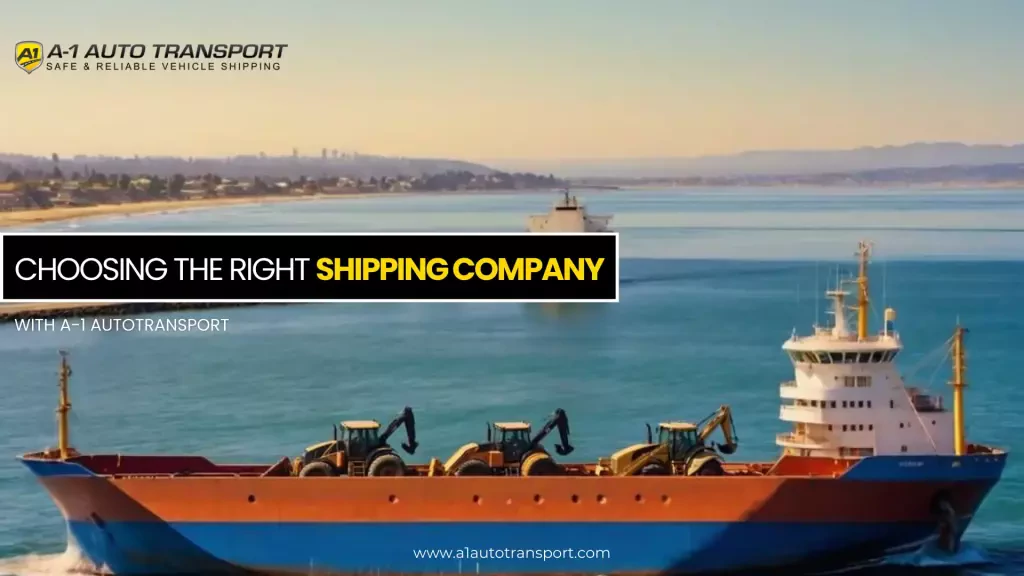
Choosing The Right Delivery Firm
Depending on your destination, various professional service options are available if you need to haul oversized loads or a different heavy equipment shipment. Not all oversized load trucking solutions offer the same options, but you can move your cargo by aircraft, heavy-lift ships, flatbed trucks or trailers, or containers.
Many services offer different options to suit your needs. It's essential to consider the moving machinery type and whether it requires special care or hauling instruments. Don't hesitate to ask haul trucking companies if they offer any unique benefits.
Things To Consider Before Arriving Movers
On the day of your scheduled movers' arrival, ensure the area is clutter-free for the loaders. They'll need adequate spaces to work safely and ensure maximum performance. Providing the movers with this security and clearance is worth spending time on.
Once the shipment leaves your property, it is protected by insurance held by the freight hauling company as it makes its way to its destination.
The movers can transfer your load to another hauler during the trip.
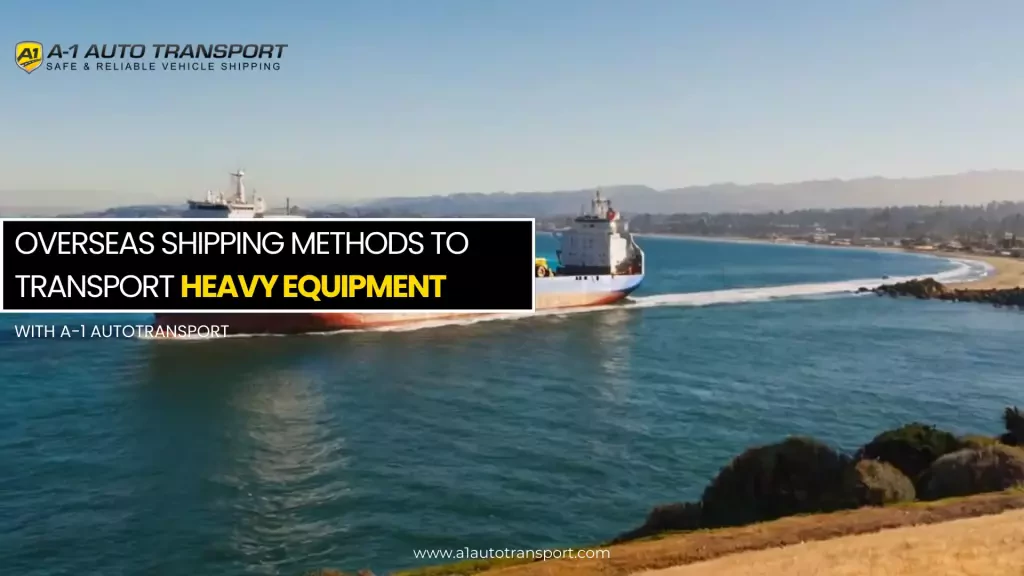
Overseas Hauling Methods
Roll-On/Roll-Off – The RoRo method is a popular form of materials relocation delivery made to a country overseas. A flatbed hauls vehicles such as motorhomes and industrial machinery. Remember that there are some height and weight restrictions on this method.
Flat Rack Heavy Haulers – This haulage method delivers boats, RVs, and other items on a flat rack secured to a relocate.
This open-air method is favorable due to its cheaper best deal rates and ability to dispatch a broader range of cargo.
Container – This option is ideal for transmitting gadgetry when your cargo can fit into a large movement container. It offers your gadgetry more protection against weather conditions.
Lift-On/Lift-Off – The LoLo method is best used for inoperable vehicles, engines, farm materials, and other tools. A crane lifts your cargo onto a shift to move the oversized load.
Things To Know Before You Transit
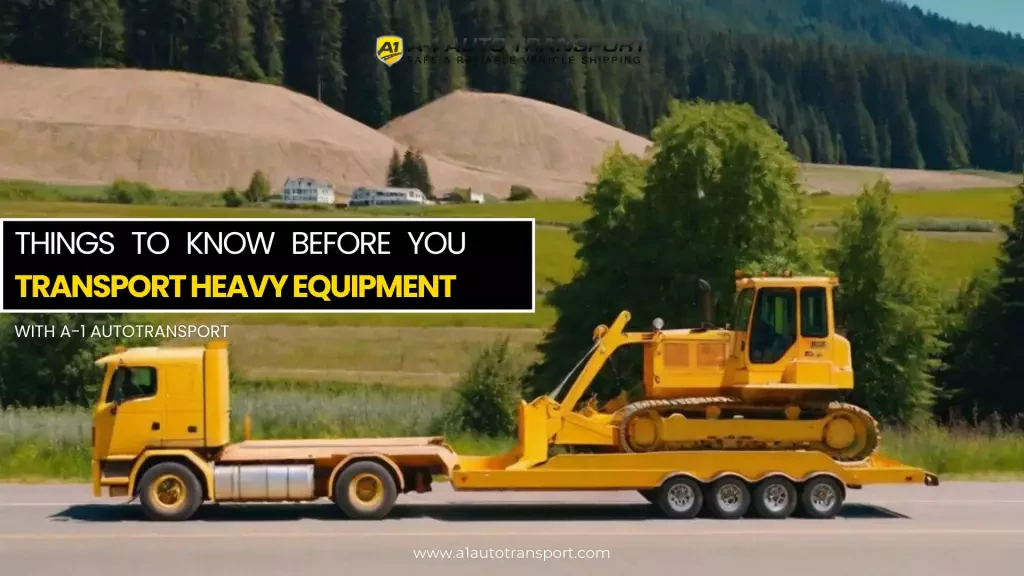
Generally, transporting machinery is a smooth and efficient process. With that being said, there are a few things you need to know when arranging your freight shipping services. These include:
Dimensions For Conveyance
It is essential to have precise measurements of your heavy hauler's freight. Our team requires this information to assist you in arranging your transit services. Inaccurate measurements can lead to expensive delays and oversized loads.
If you are uncertain about how to measure your machinery, please do not hesitate to contact us for assistance.
Required Haulers Loading Cargo
Does your oversized load require any specialized loading? If so, make sure to discuss this with our team in advance. This allows us to pass that information on to the carrier and avoid any issues with your machinery order before pickup.
Permitting Move Regulations
You will need special permits to move your apparatus to another country. Oversized equipment that exceeds the specified weight of the equipment limits will also require permits for oversized loads for fleet management and state regulations.
Failure to obtain these permits in advance may result in delivery delays or affect the pricing for cargo freight insurance.
How To Prepare For The Hauler Load
Here are a few tips for you to make sure you are ready for the hauler load:
- Please ensure your unit is ready to be loaded onto the truck when the driver arrives. This includes retracting booms and positioning your delivery to fit safely on the flatbed.
- Depending on where you want to dispatch the unit, you may also need to remove the scoop or bucket. Some states have made it illegal to move your shipment with a scoop or bucket attached.
- It is essential to cover the exhaust stack to prevent unwanted debris from entering and damaging it. Additionally, disconnect the battery to prevent it from being drained if lights or other components are accidentally turned on during conveyance.
- Before moving your apparatus, make sure that all doors are secured. If they are not, they could catch the wind and become damaged during cargo.
- Lastly, it is recommended that your cargo is washed. Dirt and debris can obscure tie-down points and make it challenging to inspect if it is foul.
Types Of Cargo
|
|
Relevant Statistics
- The global weighty equipment Freight industry is estimated to be worth over $150 billion.
- Approximately 80% of oversized instrument loads are done via sea freight.
- On average, more than 7,500 units are dispatched internationally every month.
- The United States accounts for approximately 30% of the global demand for hefty implements relocating assistance.
- Over 90% of sturdy implements freight involve construction apparatus such as excavators, bulldozers, and cranes.
General Facts
- Heavy shipping involves the forwarding of large and bulky tools or vehicles.
- Specialized trailers and carriers are used to haul safely.
- Due to weight and size restrictions, the cargo process may require permits and coordination with local authorities.
- Freight forwarders and logistics companies often handle dense materials conveyance, ensuring efficient delivery.
- Proper planning, extra time and packing and securing of oversized loads is crucial to prevent damage during the transport process and meet legal requirements.
Resources
Freight Shipping Resource
Construction Equipment Specs & Weight - helpful for construction companies specific requirements when it comes to gross vehicle weight, weight loads, fuel consumption and federal regulations.
If you need to know how much a specific piece of apparatus weighs, that is valuable information for getting a free quote estimate for supplies dispatching.
Frequently Asked Questions
How much does it cost to ship heavy equipment in the U.S.?
As of October 11, 2026, domestic heavy equipment transport commonly runs $2.50-$4.00 per loaded milefor legal-size flatbed moves and $3.50-$6.00 per milefor lowboy or RGN hauling. A straightforward 500-mile flatbed shipment therefore costs about $1,250-$2,000before special loading or site-access charges. Oversize permits, escort vehicles, and extra axles can push the total higher. Give the coordinator your machine's transport dimensions and operating weight, and request a written price showing what is included. A1's heavy equipment shipping rates guideexplains the main cost components.
How long does it take to ship heavy machinery across the U.S.?
Loaded heavy equipment transport commonly takes 1-3 days under 500 miles, 3-5 days for 500-1,000 miles, and 7-10 days beyond 2,000 miles. These are travel estimates after pickup, rather than the full period from booking to delivery. Finding a suitable trailer and obtaining required permits can add time before loading. Oversized loads may also face travel-hour restrictions under state permits, which can limit how far a driver moves each day. Ask for separate pickup and loaded-transit estimates when arranging your shipment.
What types of heavy equipment can A-1 Auto Transport arrange to ship?
A-1 Auto Transport arranges shipping for excavators, bulldozers, forklifts, tractors, cranes, generators, and other construction, agricultural, or industrial machinery. Some machines fit standard flatbeds, while heavier or taller units need lowboys or other specialized trailers. Farm equipment such as combines may require attachments to be folded or removed to fit the planned route; A1's farm equipment shipping guidecovers these considerations. When requesting a quote, share the manufacturer, model, operating weight, and the machine's actual length, width, and height in transport position.
How do I choose a reliable machinery shipping company?
Choose a machinery shipping company with experience transporting your particular type of equipment and arranging the trailer it requires. Check the assigned carrier's USDOT registration and applicable operating authoritythrough FMCSA, then request cargo-insurance details appropriate for your machine's value. The written quote should identify transport costs and any charges for permits, escorts, or special loading. Ask who coordinates pickup and how you will receive progress updates, since live GPS tracking is not universal. A1's equipment hauling near me guidecovers additional local hauling considerations.
Which trailer is best for shipping an excavator, bulldozer, or other heavy machinery?
The right machinery trailer depends on the equipment's loaded height, weight, ground clearance, and loading requirements. Flatbeds suit smaller legal-size machines, while step-decks provide a lower deck for taller equipment. Lowboys offer additional height clearance for large excavators and bulldozers. A removable-gooseneck (RGN) trailer allows suitable working machinery to drive onto the deck through its detached front section. The carrier must also check axle capacity and securement points before dispatch. A1's heavy-haul transport guidecovers specialized trailer arrangements.
When does heavy equipment transport require oversize permits or escort vehicles?
For most mainland U.S. highway shipments, loaded widths above 8 feet 6 inches (102 inches)require overwidth permits on the National Network. The usual Interstate maximum is 80,000 pounds gross combination weight, subject to axle limits, bridge-formula requirements, and applicable exceptions. States establish their own vehicle-height restrictions, and individual roads may have lower clearances. The carrier must obtain the required permits from each state along the route; there is no single federal oversize permit. Escort or pilot-car requirements depend on the state's rules, the load's dimensions, and the approved route.
Can non-running heavy equipment be transported?
Yes, non-running heavy equipment can be hauledwhen the carrier knows its condition and arranges appropriate loading equipment in advance. A machine that rolls freely might be winched onto a suitable trailer. Equipment with locked tracks, seized wheels, or structural damage may need a crane and rigging crew. Tell the coordinator exactly what does not work, including the brakes or steering, and provide photos showing the machine's position. Confirm who will supply the loading assistance, who will operate it, and whether that work is included in your quote.
What should I do before my heavy equipment is loaded onto the trailer?
Before pickup, place buckets, booms, and hydraulic attachments in the agreed transport position, and secure or remove loose tools. Clear the loading area, make the machine accessible, and photograph any existing damage. Federal cargo-securement rules generally require at least four tiedownsfor wheeled or tracked machinery weighing 10,000 pounds or more, along with proper restraint of accessory equipment. Let the driver handle final securement and follow the manufacturer's instructions for attachment removal. A1's heavy equipment preparation guideprovides further pickup guidance.
What happens if a heavy-haul truck cannot access my pickup or delivery site?
If a lowboy cannot safely reach the pickup or delivery address, the carrier may need a nearby accessible loading pointinstead. Share photos of the entrance, access road, and loading area, especially where there are tight turns, overhead wires, soft ground, or narrow gates. The dispatcher can then assess whether the planned trailer can enter, turn, and leave safely. Some locations require a transfer using other equipment or a separate loading crew, which should be arranged and priced beforehand. Confirm the alternative location with the carrier before moving the machinery there.
Is my heavy machinery insured during shipping?
Heavy machinery may be protected by the assigned carrier's cargo insurance, but coverage limits and exclusions must be checked for your particular shipment. FMCSA generally requires liability insurance for interstate for-hire property carriers, but does not impose the same federal cargo-insurance filing requirement on ordinary property carriers. Before pickup, request proof of cargo coverage and check the policy's limit, deductible, and any loading-related exclusions. Photograph the machine before departure and again at delivery. If you discover new damage, record it on the delivery paperwork and contact the carrier promptly about filing a claim.
Can heavy machinery be shipped overseas using RoRo, LoLo, or a flat rack?
Heavy machinery can move overseas by roll-on/roll-off (RoRo), lift-on/lift-off (LoLo), or flat rack, depending on the equipment and available vessels. RoRo uses a ship's ramp for machinery that can roll aboard, including cargo placed on suitable wheeled handling equipment. LoLo uses cranes to lift machinery, while a flat rack supports oversized cargo that cannot fit inside a standard container. The available method depends on dimensions, weight, port facilities, and the destination country's import requirements. A1's overseas heavy equipment shipping guidecovers these transport options.

 Share on Facebook
 Share on LinkedIn
 Share on Twitter
 Dave C.
 Courtney J.
 Jeff D.
 Maria L.
 Google
 Instagram
 BBB