Shipping a Lumber Hauling Wood | Lumber Trucking Companies


Lumber Hauling
Professionals in various industries across Canada and the United States rely on high-quality lumber to keep their businesses running smoothly. However, hauling lumber can be a daunting task, especially for companies that lack the necessary resources and expertise. This is why many businesses turn to reliable services to ensure their customers receive the best products possible. With the help of trusted experts, companies can rest assured that it will be delivered safely and efficiently anywhere in the country.
It refers to the delivery of wood products, including logs, timber, and processed lumber. It is an essential aspect of the construction industry, providing a steady supply of wood materials for building projects. The primary modes include trucking, rail, and maritime moving. A1-AT is a reliable service provider that specializes in hauling all kinds using first-class trailers and safety mechanisms.
Understanding the Various Types
When it comes to moving goods, selecting the right type is crucial to ensure the safe delivery of items over long distances.
- Length and Pieces: The length used for moving can vary depending on the size and quantity of items being hauled. Longer pieces may be required for larger items, while shorter pieces are ideal for smaller packages.
- Types of Wood: Various types of wood are used, each with its unique characteristics. One popular option is white oak, known for its strength and durability. White oak lumber is often preferred by movers for its ability to withstand the rigors while providing adequate support for the cargo.
- Items and Pallets: Different types of items may require specific types of pallets or packaging materials. Transporters must consider the weight, size, and fragility of the items when selecting the appropriate pallets made from suitable one.
- Variety of Woods: While white oak is a popular choice there are several other options available to haulers. Woods such as pine, cedar, and maple offer different characteristics in terms of strength, flexibility, and resistance to moisture.
- Sawmill and Carrier: The quality used for moving can also be influenced by the sawmill from which it originates. Shippers often source from reputable sawmills known for producing high-quality products.
New Deals are now available for shipping all types vehicles using our vetted reliable shippers. Compare price estimates & Unlock up 25% off.
What It Can You Haul With A1-AT?
We have been in this business for many years, and we have extensive experience in the logistics. We provide a variety of options to meet your needs, including truckload and less-than-truckload services. Our carriers are highly trained and experienced in the process, and we have locations throughout the U.S., including San Francisco, Miami, Minnesota, Orlando, Phoenix, Houston, Maryland, Tampa, Dallas, Kentucky, and Vermont.
As a lumberyard, you need a partner that you can trust to deliver safely and on time. At A1-AT, we understand the industry's unique needs, and we have the expertise to handle all of your requirements. Whether you need to haul a single load or multiple truckloads, we have the resources to complete the job.
We offer a range of services, including flatbed and dry van delivery. Our carriers are equipped with the latest technology to ensure the safe and efficient delivery of your products. We also provide real-time tracking and updates, so you can stay informed throughout the process.
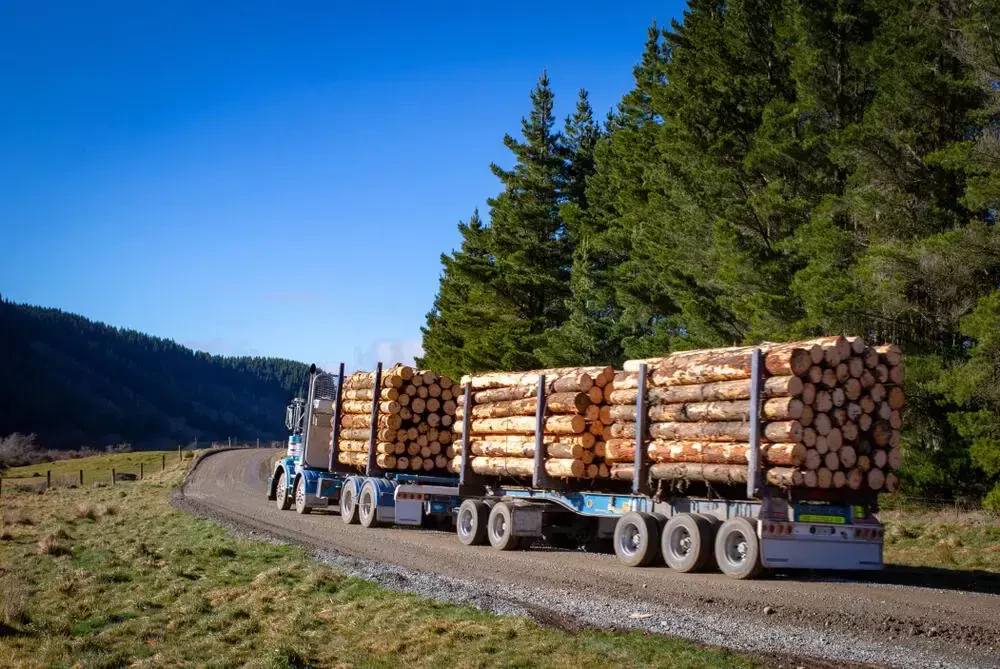
Here's what else we can haul:
- Plywood sheets
- Palletized bundles
- Hardboard
- Dimensional lumber
- Laminated veneer
- Medium-density fiberboard
- Kiln-dried
- Bundled millwork
- Softwood
- Hardwood
- Machined timber
- Veneers
- Boules
If you're looking for a reliable partner, look no further than A1-AT. Contact us today to learn more about our services and how we can help your business succeed.
How Much Does It Cost?
Various factors, such as rates, dimensions, handling, location, insurance charges, export/import, and origin, influence the cost. Similar to any other mode, the cost per pound decreases with an increase in the quantity moved. Therefore, small shipments can be relatively expensive, and it may be prudent to consolidate it before scheduling the service.
Another critical factor to consider when moving is the times. If you're working on a tight schedule, the hauling can be significantly more expensive because the driver will need to work under pressure to meet the deadline. It's also important to note that some locations may have higher rates than others due to factors such as distance, accessibility, and demand.
Weather conditions can also affect the rate. For instance, snowstorms may force drivers to take longer and more challenging routes, Thus increasing the cost of shipment. Additionally, when moving, it's important to factor in insurance charges and export/import fees, which can vary based on the destination and the specific requirements of the country or region.
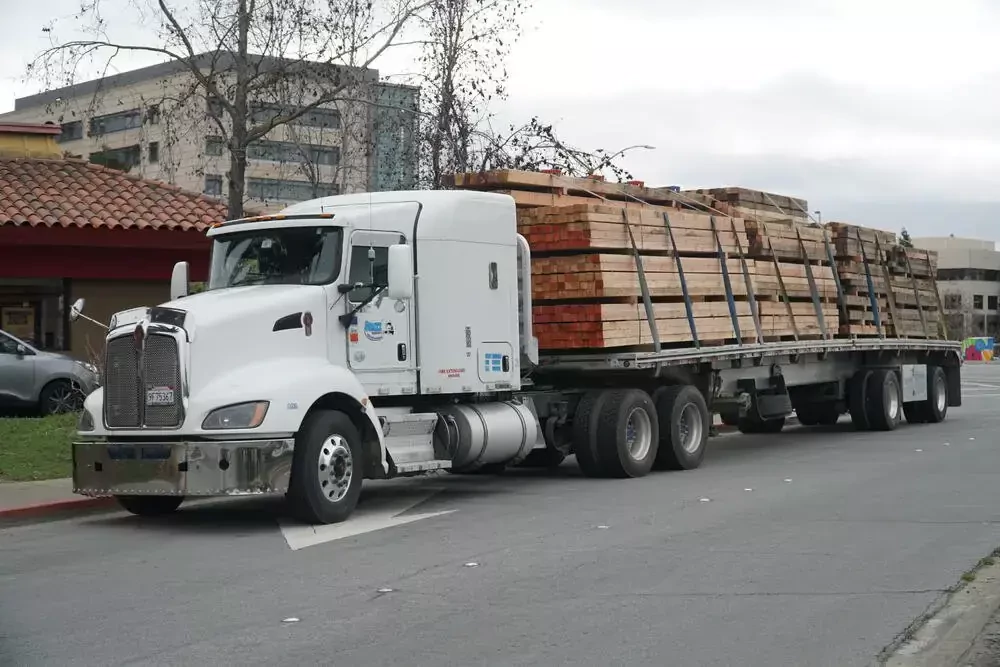
What Should You Look for in Your Firm?
When hauling you shouldn't book just about any carrier. You need a company that meets all critical criteria, like A1-AT. The criteria include:
- Customer Service and Information: A reliable firm should offer excellent customer service and provide timely and accurate information about your shipments. Ask all the questions you have concerning the process.
- Storage and Warehousing: If your shipments require temporary storage before or after hauling, it's essential to choose a company that offers secure and suitable storage facilities.
- Experience and Reviews: Consider the agencies experience and reputation. Look for reviews and testimonials from previous customers to gauge their reliability, professionalism, and overall satisfaction with the service provided.
- Supply Chain Integration: A reputable enterprise should seamlessly integrate into your supply chain, ensuring smooth operations from pickup to delivery.
- Pricing Transparency: Ensure that they provide detailed pricing information upfront, including any additional fees or surcharges. Avoid companies that have hidden costs or unclear pricing structures.
- Certifications -The only way to ensure it arrives in one piece is to work with a certified provider. Some of the certifications your company should have include CBSA, C-TPAT, ASFC, FAST, CSA, ACE, PIP, and ACI. These certifications guarantee your timber will be handled properly.
- Reasonable prices - You don't want to burn a hole in your pocket when hauling, so your carrier should offer reasonable prices.
- Order tracking - You should be able to check the status throughout the journey through order tracking. This allows you to make the necessary arrangements at the timber's destination on time.
- Suitable Equipment: You need a firm that has the appropriate equipment to haul wood of any size.
Relevant Statistics
- Lumber dispatching contributes to approximately 3% of global maritime trade.
- Over 400 million cubic meters are moved worldwide each year.
- The average cost is $25 per ton.
- Approximately 85% of shipments are hauled by container ships.
- The top five countries exporting account for over 70% of the global volume.
General Facts
- Lumber shipping refers to the hauling of wood products, including logs, timber, and processed lumber.
- The main modes include trucking, rail, and maritime moving.
- It is often packaged and secured with straps or bands during delivery to prevent damage or shifting.
- Some common types include dimensional lumber, plywood, and hardwood flooring.
- It plays a crucial role in the construction industry by ensuring a steady supply of materials for building projects.
Reach Out to Us
Hauling it is a challenging task that requires the expertise of a certified professional. A-1 is your best choice for loading and unloading with the utmost attention and care, following the highest safety practices. Our warehouse is fully equipped to handle it and securely store it in crates. We also offer moving for your convenience. Trust us to handle it with the utmost care and attention. For an instant quote, visit our website or call us at 1-888-230-9116.
Which one is the best Lumber Delivery Truck?
Choosing the best lumber delivery truck depends on the scale of your lumber hauling needs. Heavy-duty lumber haulers designed for lumber transport offer excellent reliability and efficiency. Top lumber trucking companies specialize in shipping lumber, ensuring safe and timely wood hauling. Investing in a well-equipped lumber transport truck is crucial whether you need to haul lumber for a construction site or for large-scale lumber shipping. Reliable trucking services make lumber transportation seamless, helping businesses move bulk wood efficiently and looking for the best options? Compare top-rated lumber trucks for smooth and cost-effective lumber shipping today!
Frequently Asked Questions
What is the average lumber shipping cost in the U.S.?
As of August 12, 2026, standard legal-dimension full-flatbed lumber shipping commonly plans around $3.50-$3.75 per loaded mile including fuel in the current U.S. spot market. A 1,000-mile haul therefore lands near $3,500-$3,750 before load-specific extras. Short regional runs can exceed $4.00 per mile, while favorable long-haul lanes may run closer to $3.00. Oversize dimensions, specialized trailers, tarping, permits, and difficult loading access can raise the quote. A1's heavy haul rates per mile guide explains related pricing inputs.
What is the best method for lumber transportation?
Flatbed trailers are the standard choice for most bundled dimensional lumber because they allow side or top loading and can be tarped when moisture protection matters. A1's current lumber service lists flatbed and dry-van delivery; for unusual load profiles, its equipment hauling services provide a related specialized-transport resource. Dry vans suit packaged wood that fits inside the trailer and benefits from full enclosure. Step-deck equipment can provide additional clearance for taller timber or building products.
How long does lumber shipping take across the U.S.?
Loaded lumber transit typically takes 1 day under 500 miles, 1-3 business days for 500-1,500 miles, and 3-5 business days for 1,500-2,500 miles. Coast-to-coast full-truckload lumber commonly needs about 5-7 business days with a solo driver. These are loaded-transit windows, so scheduling the truck before pickup is separate. Weather, loading appointments, oversize routing, and federal hours-of-service limits can extend a trip, especially when flatbed securement adds time before the driver gets underway.
What permits are required for lumber hauling?
Lumber hauling requires an oversize or overweight permit when the loaded vehicle exceeds the applicable legal limits in a state on its route. On the National Network, federal width is 102 inches, and Interstate gross vehicle weight is generally 80,000 pounds, subject to axle limits and the Bridge Formula. There is no federal vehicle-height limit; FHWA says states set height standards ranging from 13.6 to 14.6 feet. Permit, routing, and escort requirements can therefore differ by state, so the carrier must check each jurisdiction before dispatch.
How should lumber be prepared for shipping?
Prepare dressed lumber as stable, unitized bundles and give the carrier the exact length, width, height, and weight before shipping. Federal rules require bundles to be positioned and secured so they cannot shift; multi-tier loads may require stakes, blocking, high-friction devices, or tiedowns depending on the arrangement. Use edge protection where tiedowns contact finished material, and request tarping or other moisture protection for kiln-dried or weather-sensitive wood. Raw logs follow a separate federal securement rule from dressed or packaged lumber.
How do you transport long lumber or oversized timber?
Long lumber or oversized timber usually moves on open-deck equipment selected from the load's exact dimensions, with securement and routing planned before pickup. Standard flatbeds work when the cargo stays within legal dimensions; step-deck or other specialized equipment may suit taller or unusually configured timber. If the loaded vehicle exceeds state limits, the shipment may need oversize permits, route restrictions, or escorts based on the jurisdictions crossed. A1's heavy haul transport guide covers related specialized hauling. Provide exact measurements before equipment is assigned.

 Share on Facebook
 Share on LinkedIn
 Share on Twitter
 Dave C.
  Courtney J.
  Jeff D.
  Maria L.
  Google
  Instagram
  BBB
BBB