Shipping Boom Lifts

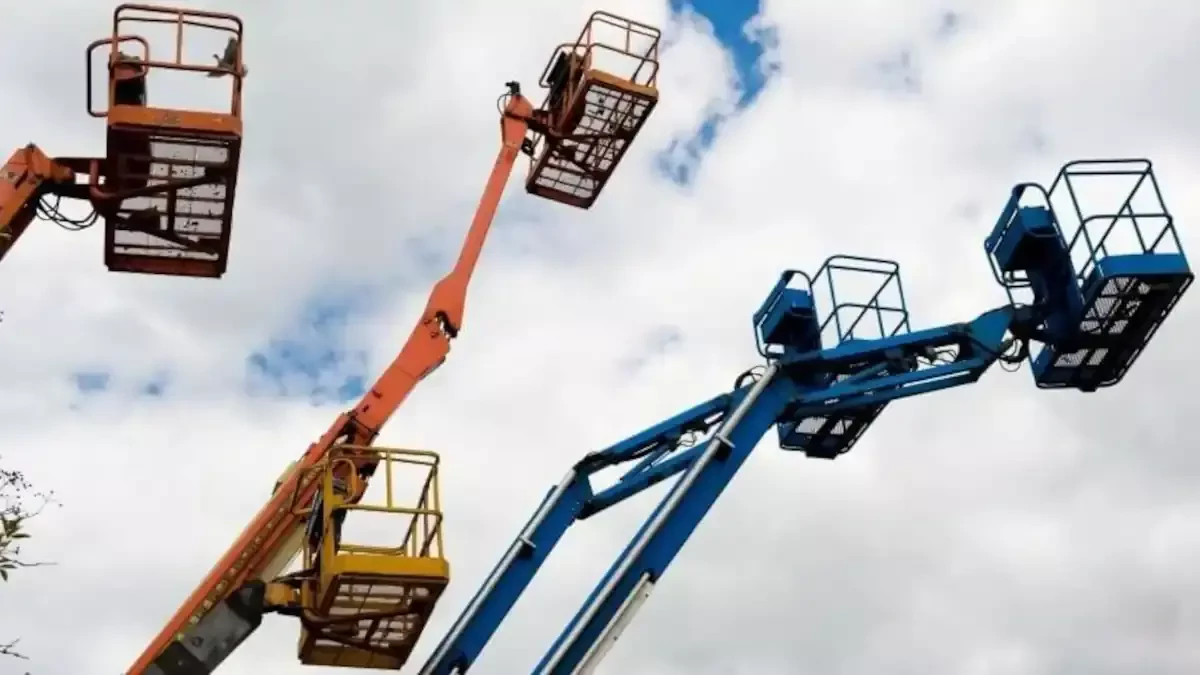
How to Ship Boom Lifts
Shipping boom lifts is often necessary. Due to their shape, large size (length, width, and height), and heavy weight, trying to transport boom lifts using improper or insufficient means is dangerous and usually impossible.
Although the designs of boom lifts vary, some heavier and bulkier than others, open-air transport methods are usually preferable. However, this might require the use of pilot cars or escort vehicles to create access for the equipment on the road.
Open air transport methods lack coverage from bad weather but with the durability of the equipment, it is unlikely it will suffer any harm. When an open-air shipping method is used to transport the heavy equipment, depending on where it's traveling, an open framed trailer and hauler, or flatbed ship may be used. However, it is important to engage the services of companies with experienced drivers, haulers, carriers, and standard trailers for your heavy machinery shipping needs.
No matter the type of hauler or driver used to transport your boom lift or any other oversize load, licensed transport professionals will use the latest shipping technologies and tools to ensure its safety during the shipping process and delivery. They'll see that it is properly moved up the ramp and tightly fastened to the hauler before it makes its way to its new home, even if it's to travel a short distance to make it to its next construction site or job site.
- Boom lift shipping runs $2.50–$5.50 per mile, with total costs of $500–$3,500+ depending on equipment size, weight, and route demand.
- Most boom lifts are delivered in 2–7 days via lowboy or step-deck trailers, which keep tall units within the legal 13.5–14 foot height clearance.
- Units within 8.5 feet wide and 13.5 feet tall typically move permit-free; heavier configurations trigger FMCSA and state DOT axle-weight permit requirements.

Relevant Statistics
The global shipping industry saw a 10% increase in cargo volume in the past year.
Over 95% of all goods transported internationally are done so through shipping.
The average size of container ships has increased by 15% in the last decade.
Shipping accounts for approximately 2.5% of global greenhouse gas emissions.
More than 50,000 new jobs were created in the shipping industry worldwide last year.
General Facts
Shipping boom lifts are specialized equipment used in the shipping industry to lift and move heavy cargo or containers.
These lifts are designed to have a high lifting capacity and reach, allowing them to handle large loads and reach high stacking heights.
They are commonly used in ports, shipyards, and logistics centers to load and unload cargo from ships or trucks.
Shipping boom lifts can be operated both manually and remotely, depending on the model and requirements.
Safety is a top priority when using shipping boom lifts, with operators required to undergo training and follow strict guidelines to prevent accidents during lifting operations.
About Insurance Coverage during Transport
Whenever shipping services are purchased through a professional transport company, ask about their insurance coverage. Boom lift transport companies are required to provide a minimal amount of insurance during a transport. Nonetheless, when it comes to shipping valuable construction equipment, it is better to have coverage up to the full value of the boom lift. This ensures that any repairs or replacements are covered should an accident or damage occur during its time with the transport company before it gets to the destination.
A1 Auto Transport has the experience, equipment, and technology when it comes to different types of boom lift shipping. Whether you are shipping heavy loads to a nearby state, across the country, or to an international destination like Canada or Mexico. We can assist with your paperwork, permits, and documentation necessary for customs clearance. We are a fully licensed and insured company and we adhere to safety standards in all our shipping operations. Our staff shows utmost commitment to customers for every single task they are handling for them. Therefore, you can rest assured that your shipments are safe and secure with us, and you will also get value for your money. Reach out to our customer service team today for a quote.
Frequently Asked Questions
What is the average cost of shipping boom lifts?
Shipping boom lifts typically costs between $2.50 and $5.50 per mile, with total prices ranging from $500 to $3,500+ depending on distance and size. Key factors include weight (20,000+ lbs), trailer type, fuel rates, and route demand. Urban routes are often cheaper than remote deliveries. Seasonal construction demand can raise prices. For accurate estimates, use a heavy equipment shipping calculator based on your exact route and equipment specs.
Do boom lifts require permits for interstate transport?
Most boom lifts do not need permits if they remain within 8.5 feet width and 13.5 feet height when lowered. However, heavier units or certain configurations may exceed axle limits and require permits. Regulations are enforced by FMCSA and state DOT agencies. Carriers evaluate weight distribution, dimensions, and route restrictions before shipping. Proper planning ensures compliance and avoids fines during transport.
What is the best trailer option for boom lift transportation?
The best trailer for boom lift transportation is usually a lowboy or step-deck, since they keep taller equipment within legal height limits. Flatbeds work for smaller units, but most boom lifts require lower deck clearance to stay under 13.5 to 14 feet. Trailer choice depends on height, weight, and configuration. Using the right setup improves safety and avoids delays. Many providers specializing in heavy equipment transport can match the correct trailer type.
How long does shipping boom lifts usually take?
Shipping boom lifts typically takes 2 to 7 days across most U.S. routes. Short distances under 500 miles may take 1 to 3 days, while cross-country shipments can reach a full week. Transit time depends on distance, weather, route demand, and pickup scheduling. Deliveries to remote construction sites may take longer. Choosing flexible timing and reliable carriers offering interstate transport services can help reduce delays.
How are boom lifts prepared and secured for transport?
Boom lifts are prepared by lowering the arm, retracting extensions, and locking all moving parts. Carriers use 6 to 8 chains and reinforced straps to secure the unit. Fuel is reduced to about one-quarter tank, and loose parts are removed. Proper tie-down points and balanced loading are critical. Following FMCSA cargo securement standards helps prevent shifting or damage during transit, especially on long hauls.
What factors affect boom lift shipping costs the most?
The main cost drivers are distance, equipment size, trailer type, and seasonal demand. Heavier lifts over 20,000 pounds require specialized trailers, increasing rates. Fuel prices, route popularity, and site accessibility also impact pricing. Deliveries to rural or restricted-access job sites may add fees. Reviewing current heavy haul rates per mile gives a clearer picture of typical pricing trends.
How do I choose a reliable boom lift transport company?
Choose a company with experience in heavy equipment shipping, proper licensing, and insurance coverage. Look for FMCSA registration, verified reviews, and transparent pricing. Reliable carriers understand secure loading, route planning, and compliance requirements. Comparing multiple quotes and checking past performance helps reduce risk. A qualified provider will prioritize safety, communication, and on-time delivery over simply offering the lowest price.
Can I ship a non-running or inoperable boom lift?
Yes, inoperable boom lifts can be shipped, but they require equipment like winches or cranes for loading. This can add $150 to $500+ depending on complexity. Carriers need details about weight, ground conditions, and access points to plan safely. Providing accurate information upfront helps avoid delays. Specialized providers offering equipment hauling near you are best suited for these moves.

 Share on Facebook
 Share on LinkedIn
 Share on Twitter
 Dave C.
  Courtney J.
  Jeff D.
  Maria L.
  Google
  Instagram
  BBB
BBB