


The Cost Of Shipping A Car From Florida To West Virginia Is $400-$1100 On Average
The cost of moving a car from Florida to West Virginia is determined by various factors. The cost of shipping your car is affected by the kind of shipping (enclosed or open), the time frame, and the pickup/destination locations. Prices are subject to change based on fuel costs, vehicle size (4WD, roof rack, etc.), seasonal demand, delivery schedules, payment methods, and other considerations. Inoperable automobiles will be charged an extra cost. Shipping between locations is around $690 to $1320

How Far Is It, And How Long Is The Estimated Delivery Time To Move A Four-Wheeler?
The travel time from Florida to West Virginia is anticipated to be 1 to 3 days. The distance along this trip is around 900 miles. On average, standard carriers go 500 miles every day. For packages that must arrive sooner, A-1 Auto Transport provides expedited shipping too.

Examples Of Pricing & Time To Shift - Florida To West Virginia
Last Updated: 11 hours ago
Quick Answer: Shipping a car from Florida to West Virginia costs approximately $800 and typically takes 2-4 days.
See route-specific prices and distances in the table below.
| To / From Florida to West Virginia | Cost | Distance | Estimated Time In Transit |
| Tallahassee, FL to Charleston, WV | $1278 - $1562 | 710 | 4 - 6 days |
| Huntington, WV from Jacksonville, FL | $1266.4 - $1535.6 | 698 | 2 - 4 days |
| Tampa,FL to Morgantown, WV | $1727.2 - $2098.8 | 954 | 4 - 6 days |
| Parkersburg, WV from Miami, FL | $1932.4 - $2349.6 | 1068 | 4 - 6 days |
| Orlando, FL to Wheeling, WV | $1733.4 - $2119.6 | 963 | 4 - 6 days |
| Fairmont, WV from St. Petersburg, FL | $1728 - $2119 | 960 | 4 - 6 days |
| Hialeah, FL to Weirton, WV | $2133 - $2607 | 1185 | 4 - 6 days |
| Martinsburg, WV from Port St. Lucie, FL | $1801.8 - $2202.2 | 1001 | 4 - 6 days |
| Cape Coral, FL to Beckley, WV | $1641.6 - $2006.4 | 912 | 4 - 6 days |
| Clarksburg, WV from Fort Lauderdale, FL | $1893.6 - $2314.4 | 1052 | 4 - 6 days |
What Are The Major Delivery Hubs?
The major hubs in West Virginia are in the following cities:
- Charleston
- Huntington
- Morgantown
- Parkersburg
- Wheeling
- Fairmont
- Weirton
- Martinsburg
What Is The Cheapest Way To Move?
There are two shipping methods, the most popular and cost-effective is the open conveyance cargo. Your vehicle will be carried door-to-door on an open trailer ride carrier with an open conveyance load. The most affordable alternative for countrywide automobile transportation is open carrier transit, which is the industry standard.
But the enclosed carrier keeps your vehicle protected from the weather. Enclosing your vehicle helps protect it from the elements, pebbles, and theft. In most circumstances, enclosed conveyance will cost twice as much as moving on an open carrier.
We Can Also Help You Shift The Following Items
Auto Transport is one of our strong suits. We don't only haul cars, but we ship other items like:
- Heavy Equipment
- Freight
- Motorcycles
- Boats
- ATV’s
- RV’s
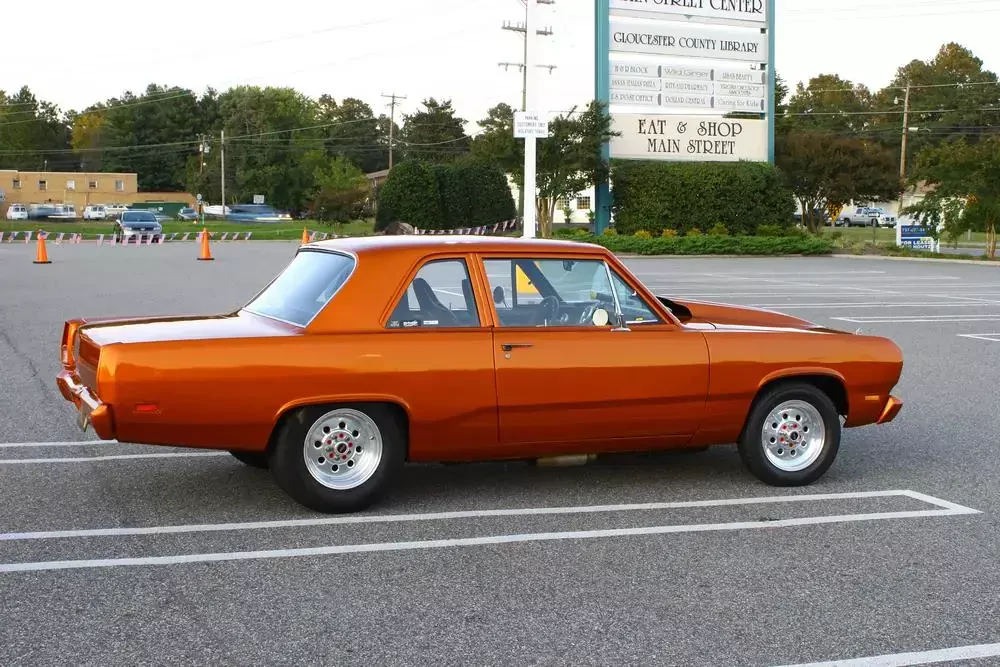
Scheduling Your Vehicle Transit Pickup
Some of the cities we offer our vehicle transport pickup in Florida are:
- Miami
- Jacksonville
- Tallahassee
- Tampa
- Cape Coral
- Fort Lauderdale
- St. Petersburg
Frequently Asked Questions
How much does it cost to ship a car from Florida to West Virginia?
As of September 25, 2026, shipping a car from Florida to West Virginia usually costs about $900 to $1,500 for standard open transport on this corridor. The final quote changes with the vehicle type, exact pickup and delivery locations, transport method, and scheduling needs. Routes near major hubs such as Orlando, Tampa, Charleston, or Morgantown may price differently from remote areas. For more pricing details, see our car shipping rates guide.
How long does Florida to West Virginia car shipping take?
Florida to West Virginia car shipping usually takes 2 to 7 days of loaded transit after pickup. The exact timing depends on the route, carrier schedule, vehicle type, and whether the delivery location is near a major highway. Shipments traveling through common corridors that connect Florida with West Virginia can move faster than deliveries requiring extra access coordination in mountainous areas. Pickup scheduling is separate from the time the vehicle spends in transit.
Is open or enclosed transport better for this route?
Open transport is the standard choice for most Florida to West Virginia shipments, while enclosed transport is usually selected for high-value, classic, exotic, or collector vehicles. Open carriers provide the most common option for everyday cars, while enclosed trailers add protection from weather and road debris at a higher cost. Review enclosed auto transport options when your vehicle needs added protection during interstate shipping.
Do I need to be present at pickup or delivery?
You do not have to be at both locations, but an authorized adult must be available for the vehicle inspection and Bill of Lading paperwork. The person releasing or receiving the vehicle should check its condition with the driver before signing. If a large carrier cannot safely reach the exact address, the driver may arrange a nearby accessible meeting location. Door-to-door auto transport service explains how delivery access is handled.
Can I ship an inoperable vehicle from Florida to West Virginia?
Yes, inoperable vehicles can be shipped from Florida to West Virginia, but the carrier needs advance notice because loading may require special equipment. Tell the transporter whether the vehicle rolls, steers, brakes, or needs a winch before booking. Rural West Virginia deliveries may need additional planning if the vehicle cannot be unloaded close to the final address.
Which roads and conditions affect Florida to West Virginia car shipping?
Florida to West Virginia shipments commonly use major interstate connections before reaching West Virginia’s mountain roads. The West Virginia Turnpike carries I-77 and I-64 between Charleston and Princeton, so some deliveries must account for tolls, terrain, and access conditions along that corridor. Rural destinations can require more coordination than deliveries near larger cities because carrier access may be limited.

 Share on Facebook
 Share on LinkedIn
 Share on Twitter

 Google
 Instagram
 BBB
 Dave C.
 Courtney J.
 Jeff D.
 Maria L.




