Mobile Home Moving Companies | Manufactured Home Transporter

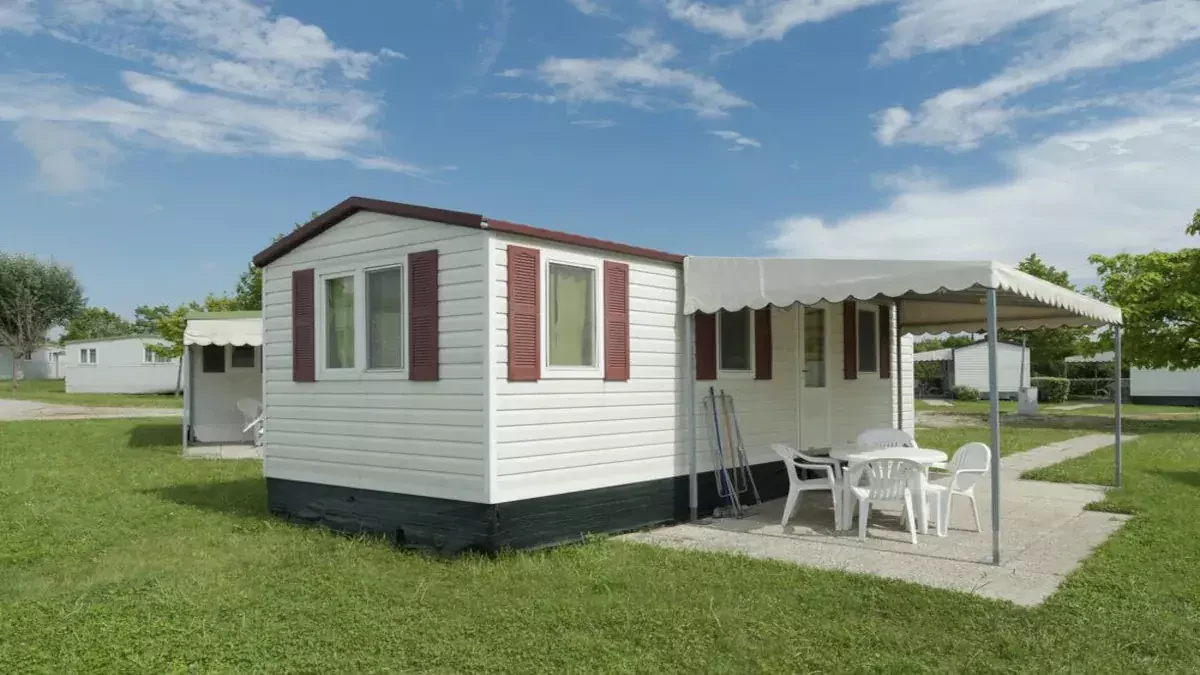
Mobile Home Shipping: A Comprehensive Guide for Safe and Efficient Transportation
Mobile home hauling refers to transporting manufactured homes from one location to another. Mobile homes are typically transported on specialized trailers or flatbed trucks. Shipping a mobile home requires obtaining permits and ensuring compliance with local shifting regulations. Special precautions are taken during haul to secure and protect the mobile home, including securing windows and doors and adjusting weight distribution. Mobile home shipping companies often provide services such as loading, unloading, and set-up of the home at its destination.
Mobile Home Movers
More than 20 million Americans are estimated to live in mobile homes, and the public demand for them has increased yearly. This may be partly due to cost, as mobile homes can save 40% or more on purchasing a home. It may also be because mobile homes can be relocated from one area to another, which helps make them a cost-effective way to live.
Regulations and Permits
It involves a complex process that requires adherence to various regulations and obtaining permits. Before initiating the move, it's crucial to understand the rules and acquire the necessary permits from relevant authorities. Regulations and licenses ensure safety, compliance, and smooth relocation.
First, you must familiarize yourself with local and county moving regulations. Different areas may have specific requirements regarding the dimensions, weight limits, and routes permissible for moving mobile homes. Some counties might also require permits for oversized loads or restrict movement during certain times to minimize traffic disruptions.
Mobile home transporters must also comply with state and federal regulations governing shifting on public roads. These regulations often include requirements for proper load securement, vehicle maintenance, and driver qualifications. Failure to adhere to these regulations can result in fines, delays, or legal liabilities.
Permit Acquisition Process
Acquiring permits for hauling involves a detailed process to ensure compliance with regulatory requirements. Initially, assess the specific requirements for your route, considering factors such as road conditions, overhead clearances, and any restricted areas. Contact the relevant authorities, such as the Department of Transportation or local county offices, for detailed information on permit applications and fees.
Once you understand the regulations and requirements, begin the permit application process. This typically involves submitting detailed information about the mobile home, including its dimensions, weight, and route details. Depending on the complexity of the move and local regulations, you may need to provide additional documentation, such as route plans and proof of insurance.
After submitting the permit application, allow sufficient time for processing, as approval times can vary depending on the jurisdiction and the complexity of the move. To avoid delays or legal complications, it is crucial to obtain all permits before initiating the transportation process. Additionally, open communication with the relevant authorities throughout the process must be maintained to address any concerns or updates promptly.
Load Preparation and Transportation
When shipping a prefabricated home, the hauling process can commence once all necessary permits are secured. Proper preparation is essential to guarantee the mobile home's safe and efficient loading and transportation. Begin by inspecting the mobile home to identify any potential hazards or areas that require attention, such as loose items, damaged doors or windows, or insecure skirting.
Next, prepare the mobile home for loading by securing all loose items inside the house, such as furniture and appliances. Additionally, ensure all doors, windows, and skirting are adequately secured to prevent damage during shifting—disconnect utilities such as electricity, water, and gas to ensure safety during the move.
Use appropriate equipment and techniques to place the mobile home safely onto the shifter trailer during loading. Proper weight distribution and securement are crucial to prevent shifting or damage during transit. Once loaded, the carrier will carefully navigate the planned route, adhering to all regulations and permit conditions.
Throughout the relocating process, the driver must remain vigilant and attentive to ensure the safety of the mobile home, other motorists, and road infrastructure. Upon reaching the destination, the mobile home will be carefully unloaded and placed on its new site, ready for setup and any necessary adjustments.
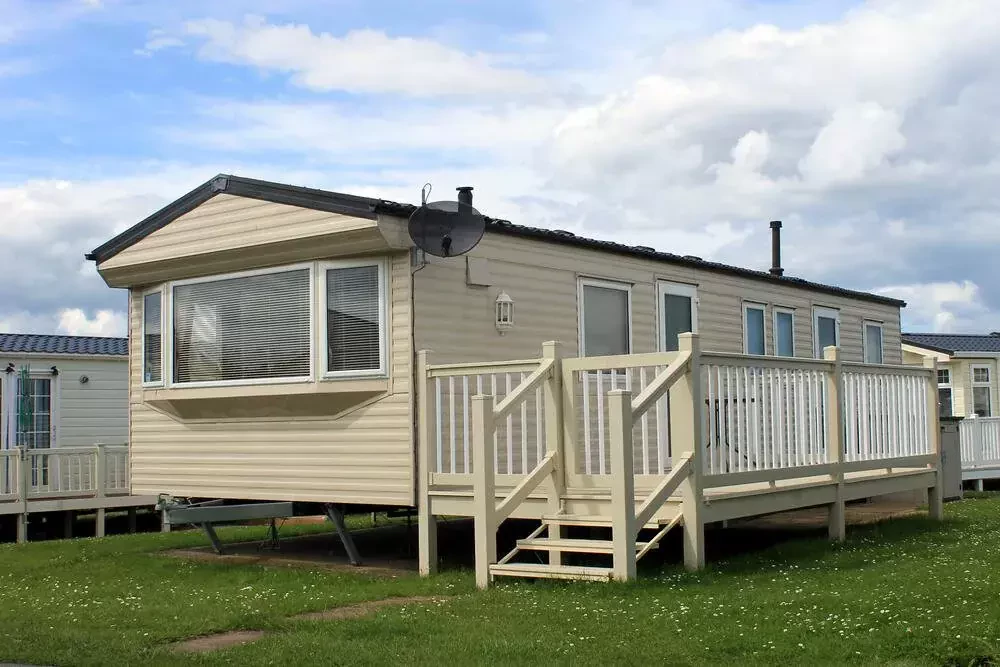
Seeking a mobile home moving company?
It is not just anyone who can move a mobile home. Finding a professional relocator who can move the house safely is imperative.
When it comes to shifting, choosing the right hauler is a critical step in ensuring a smooth and successful move. The process of selecting a carrier involves considering a myriad of factors, from the dimensions and shape of your mobile home to the expertise and reliability of the shifters themselves. From the outset, it's essential to clearly understand your requirements, including any specific dimensions or restrictions that may apply to your move.
Relocators vary in their expertise and capabilities, so conducting detailed research and obtaining multiple estimates can help you find the best fit for your needs. Consider factors such as the company's experience with mobile home moves, its range of services, and its track record for safety and reliability. Additionally, inquire about their insurance coverage and any fees or paperwork involved in the shifting process.
Furthermore, examine the company's trailers and machinery fleet to ensure they are equipped to handle your specific mobile home. From the condition of their tires and axles to the setup and preparation of the trailers, attention to detail is paramount. By thoroughly vetting potential shifters and asking the right questions, you can find a reliable partner to navigate the complexities of hauling with confidence.
This is not a job for an inexperienced individual with a pickup truck. Before you hire someone to move a mobile home for you, you should ask the following questions:
- Is the mobile home moving company licensed and insured to move mobile homes? Mobile home insurance is required to move a mobile home. Many mobile home movers out there do not have this.
- Can the company move the type of mobile home that you own?
- Will a permit be required for the location?
- Does the company disconnect or connect utilities?
- What is included in the overall cost?
How is the cost figured for moving?
Several things will help determine the cost of moving a mobile home. These include:
- Distance: The farther the move, the more it will cost. Fuel costs will be more significant when the truck must travel a greater distance. Those fuel costs are passed on to the mobile homeowner. Remember that when you get a quote, it can change based on the fuel cost when the mobile home is shipped.
- Weight: The heavier a mobile home is, the more equipment is necessary to move it. Due to its weight, more movers may need to be on hand during shipment.
- Single or Double: Size factors into the move and will affect the cost. Moving a single-wide mobile home will be cheaper than driving a double-wide home. Depending on the size, it may take street closures and/or police or other escorts to make the move safely.
- Materials: Moving, towing, and other materials will impact the cost.
- Permits: You may need a license to relocate a mobile home to a new city or state. A professional mobile home mover should manage this before the move.
Mobile Home Transport Cost Factors
The cost of transporting a mobile home per mile depends on the distance, home size, and transportation complexity. On average, long-distance mobile home transport services may range from $5 to $15 per mile, excluding permits and setup fees. Getting quotes from mobile home haulers near me is best to ensure accurate pricing.
Single-Wide vs. Double-Wide Mobile Home Movers
Moving a single-wide mobile home moving cost is typically lower than relocating a double-wide mobile home moving cost due to the size and logistics involved. Professional double-wide mobile home movers near me use specialized equipment to ensure safe transport.
Permits and Regulations for Moving a Mobile Home
Each state has specific regulations for moving a manufactured home, including permits and inspections. Before hiring mobile home transport companies near me, confirm they handle the necessary paperwork. Some locations also require utility disconnections and foundation checks before the move.
Moving Mistakes to Avoid
Here are some mistakes to avoid when moving a mobile home to ensure it arrives at the new location in the same condition as when it is picked up.
- Do not fail to get permits or inspections when required by law.
- Do check the mover to make sure they can oversee the move. As for referrals, check their reputation online through reviews that may be posted, and be sure to check their license and insurance documentation.
- Make sure utilities are disconnected or reconnected by a professional. Never let someone without proper experience connect utilities, as you could risk damage caused by fire or flooding.
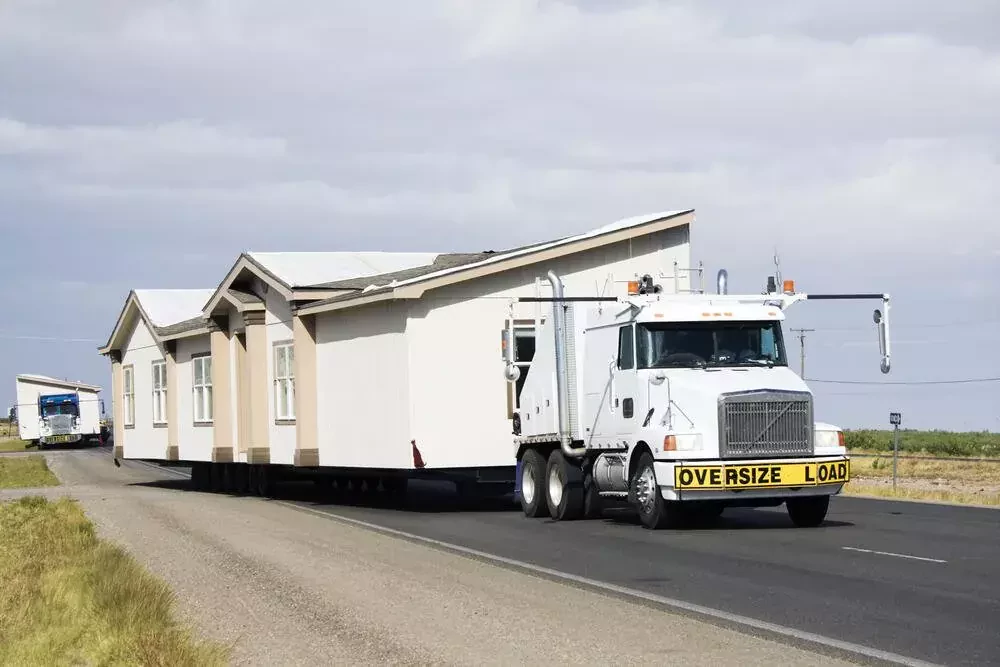
Assessing the Route and Road Conditions
Assessing the route and road conditions is critical to ensuring the safe and efficient shifting of modular and manufactured homes. Whether it's moving modular homes, mobile homes, or manufactured housing, understanding the logistics of the journey is essential to avoid potential obstacles and delays. From navigating narrow roads to considering clearance heights for bridges and overpasses, thorough route planning is necessary to relocate these homes from origin to destination.
Hauling involves more than just moving the home itself; it encompasses freight shipping logistics and household moving on a larger scale. Factors such as the home's dimensions, weight, and shape must be carefully considered to determine the most suitable route and mode of transportation. Additionally, factors such as the condition of roads, potential construction zones, and weather conditions must be considered to ensure a smooth journey.
Whether it's modular home shifting, moving manufactured homes, or delivering tiny houses, assessing the route and road conditions is crucial for the home's and other motorists' safety. By carefully evaluating the route and planning for potential challenges, relocators can minimize risks and make sure timely delivery of modular and manufactured homes to their intended destinations.
Why hire us?
We have more than 35 years of experience in the shipping industry. With skilled professionals, we have long managed mobile home moving with fully insured shipping services. Sometimes, a mobile home mover may only be licensed in one state and cannot cross state lines to continue the move. It takes a network of movers to continue the relocation during these times.
We have a large fleet of carriers ready and available for mobile office or home moving. We also operate in all 50 states and can accommodate your mobile home from start to finish with our team of professional hauling crew. Our mobile home moving services are fully licensed and insured and always provide safe, reliable shifting services for our clients. We are one of the best mobile home movers out there.
For a free quote to move your mobile home, be sure to fill out the free quote form on this page. You can also call an agent at 1-888-230-6512 today for an all-inclusive quote for mobile home moving.
Need a car or truck transported? We can manage all your hauling needs, heavy equipment, and machine shipping services.
Preparing For Relocation
Preparing for shifting anywhere is a multifaceted task that requires careful planning and attention to detail. From inspecting the interior and exterior for damage to securing loose items and utilities, every aspect must be addressed to ensure a smooth and successful move. Whether it's choosing the exemplary service within budget or coordinating logistics for the interstate haul, the process demands carrier expertise and coordination. Effective communication with transport experts ensures that every detail is accounted for, from obtaining estimates to coordinating property pickup and delivery locations. With proper preparation, the stress of hauling is minimized, yielding quality results and peace of mind for families and businesses alike.
Inspection and Assessment: Before preparing a shifter, it's crucial to conduct a thorough inspection and assessment of both the interior and exterior. Inspect the home's interior to identify any loose items, furniture, or fixtures that could shift during hauling. Additionally, check the plumbing, electrical systems, and appliances to ensure they are correctly secured and disconnected if necessary. On the exterior, inspect the structure for any signs of damage or wear that may need repairs before transport. This meticulous inspection ensures the home is in optimal condition for shifting, minimizing the risk of harm or issues during the move.
Securing Loose Items and Utilities: Once the inspection is complete, the next step in preparing the mobile home for transportation is to secure loose items and utilities. Remove any furniture, appliances, or personal belongings that could shift during the haul and cause damage to the interior of the home. Secure all doors, windows, and skirting to prevent them from opening or becoming damaged during transit. Additionally, disconnect utilities such as electricity, water, and gas to ensure safety during the move. Properly securing these items and utilities ensures a smooth and safe relocating process.
Exterior Preparations and Repairs: After securing the interior and utilities, attention should be turned to the mobile home's exterior. Conduct any necessary repairs or maintenance to address any damage or wear that could affect the home's structural integrity during transport. This may include repairing loose siding, replacing damaged roofing materials, or reinforcing the undercarriage. By addressing these repairs before hauling, you can minimize the risk of further damage and guarantee the home's structural integrity during transit.
Choosing the Right Service: Once the mobile home is prepared for transport, the next step is to select the exemplary service for your needs. Research and review various shifting businesses to find one that offers a quality service within your budget. When choosing, consider factors such as the company's experience, reputation, and customer service reviews. Request quotes from multiple companies to compare prices and services, ensuring you get the best value for your money. Choosing a reliable and experienced service can minimize stress and provide a smooth and successful process.
Packing and Supplies: Besides securing loose items inside the home, it's also essential to pack and secure any items that will be relocated separately, such as furniture or appliances. Use appropriate packing materials and supplies to protect these items from damage during transit. This may include packing blankets, straps, and bubble wrap to secure items and prevent them from shifting during shifting. Proper packing and securing of items ensure they arrive at their destination safely and intact, minimizing the risk of damage or loss during the move.
Communication and Coordination: Throughout the preparation process, communication and coordination with the transport service are essential for ensuring a successful move. Provide the hauling service with all necessary information, including the home's dimensions, weight, and any specific instructions for the move. Stay in regular contact with the shifting service to address any questions or concerns that arise and coordinate logistics such as pickup and delivery times. Effective communication and coordination guarantee that everyone is on the same page and that the move goes smoothly from start to finish.
Relevant Statistics
- Over 92% of mobile homes shipped within the United States arrive at their destination without any damage.
- The average cost to ship a mobile home across state lines is $5,500.
- Approximately 80% of mobile homes shipped internationally are relocated by sea.
- Mobile home shipping companies have an on-time delivery rate of 97%.
- The maximum width for a mobile home being shifted on highways is 8 feet 6 inches (2.6 meters).
General Facts
- Mobile home shipping refers to transporting manufactured homes from one location to another.
- Mobile homes are typically shifted on specialized trailers or flatbed trucks.
- Shipping a mobile home requires obtaining permits and ensuring compliance with local shifting regulations.
- Special precautions are taken during haul to secure and protect the mobile home, including securing windows and doors and adjusting weight distribution.
- Mobile home shipping companies often provide services such as loading, unloading, and set-up of the home at its destination.
After-Delivery Inspections and Follow-up Care
Regarding mobile homes, ensuring proper after-delivery inspections and follow-up care is crucial to guaranteeing customer satisfaction and safety. Whether you're selling, transporting, or setting up mobile homes, taking care of these aspects is essential for the well-being of your customers and your business reputation.
Inspection Process: Upon delivery, the mobile home is thoroughly inspected to check for any damages that might have occurred during hauling. The wheels and axles of the transportable house are inspected to ensure they are in good condition. The number of boxes or sections delivered is verified against the estimate provided to the customer. This guarantees that everything the guys promised has been delivered.
Follow-Up Care: After the initial inspection, provide follow-up care to address any issues that may have arisen. Offer solutions for any damages found, whether through repair or replacement. Provide customers with tips on maintaining their mobile homes for long-lasting durability. For instance, periodic inspections by a qualified electrician should be recommended to ensure the electrical systems are in proper working order.
Customer Engagement: Keep customers informed throughout the process. Update them on their delivery status and any necessary follow-up care. To accommodate their preferences, offer multiple communication options, such as phone, email, or text messaging.
Location Considerations: Regardless of where your customers are located, whether in active cities or remote areas, ensure your services are accessible. Have a system to estimate prices based on zip codes or cities to provide accurate quotes. Consider offering different haul pricing options for various types and sizes of mobile homes to cater to different budgets and needs.
Liability and Safety: Prioritize safety at all times. Train your staff to handle mobile homes carefully and use the proper tools and equipment. Educate them on the appropriate procedures for securing mobile homes during relocation to mitigate any risks of accidents or damages.
Shifting Solutions: Offer various moving solutions to accommodate different types of mobile homes and customer preferences. Whether via highway carriers or ground hauling, ensure your services are flexible and reliable. Provide options for both moveable and portable homes, including storage solutions for customers who need temporary housing.
In conclusion, after-delivery inspections and follow-up care are integral to the mobile home business. By prioritizing customer satisfaction, safety, and effective communication, you can build a reputable company that caters to the diverse needs of people nationwide.
Frequently Asked Questions
What is the average cost to ship a mobile home?
The average cost to ship a mobile home typically ranges from $3,000 to $10,000+, depending on distance, size, permits, and escort requirements. Single-wide homes cost less than double-wide units, which often require splitting and multiple trucks. Fuel prices, route restrictions, and seasonal demand also affect pricing. For a more accurate breakdown, use a cost estimate tool to calculate mileage, logistics, and transport complexity.
How long does it take to move a mobile home?
Most mobile home moves take 2 to 7 days, while long-distance or cross-state moves can take up to 1–2 weeks. Timing depends on distance, permit approvals, route planning, and weather conditions. Oversized load regulations often limit travel hours, especially on highways and urban roads. Delays may also occur due to escort scheduling or utility disconnections. Experienced movers help reduce delays by coordinating logistics in advance.
What is the best way to transport a mobile home?
The safest method is using specialized mobile home trailers, designed for oversized loads and proper weight distribution. Larger homes are typically split into sections and moved separately. Key factors include axle configuration, road clearance, and structural support during transit. Standard flatbeds are rarely used due to safety limitations. Professional carriers offering heavy equipment shipping services ensure compliance with DOT rules and secure handling.
Can I move a mobile home myself?
Moving a mobile home yourself is risky and rarely practical due to specialized equipment, legal requirements, and safety concerns. You would need permits, escort vehicles, and heavy-duty trailers that meet DOT standards. Mistakes can lead to structural damage or fines. Most homeowners rely on mobile home movers to manage transport, permits, and setup while ensuring compliance with federal and state regulations.
Do I need permits to move a mobile home?
Yes, moving a mobile home requires state and local permits because it qualifies as an oversized load. These permits regulate approved routes, travel times, and escort vehicles. Some states restrict transport during peak traffic or nighttime hours. Additional requirements may include utility line clearance and inspections. Licensed carriers typically handle all permits as part of a full-service move, especially for long-distance or interstate relocations.
How do I find reliable mobile home moving companies near me?
To find reliable mobile home moving companies near me, check for FMCSA registration, insurance coverage, and verified customer reviews. Look for providers offering full-service solutions, including disassembly, transport, permits, and setup. Compare multiple quotes and avoid unusually low prices, which often signal hidden fees. Choosing experienced mobile home transport services helps ensure a smooth, compliant, and stress-free relocation.

 Share on Facebook
 Share on LinkedIn
 Share on Twitter
 Google
  Instagram
 Dave C.
  Courtney J.
  Jeff D.
  Maria L.