Dependable Straight Truck Shipping Services for All Your Needs


Straight Truck Shipping
Straight trucks are easily recognizable vehicles on the roads today. They are smaller than semi-ones but larger than cargo vans and have a fixed trailer attached to the back. They can carry a wide range of freight and are commonly seen on US roadways, such as U-Haul and other similar ones. Unlike large semi-trucks, straight trucks usually don't require a commercial motor vehicle license to drive.
Here is a guide for moving a versatile fleet to another location.
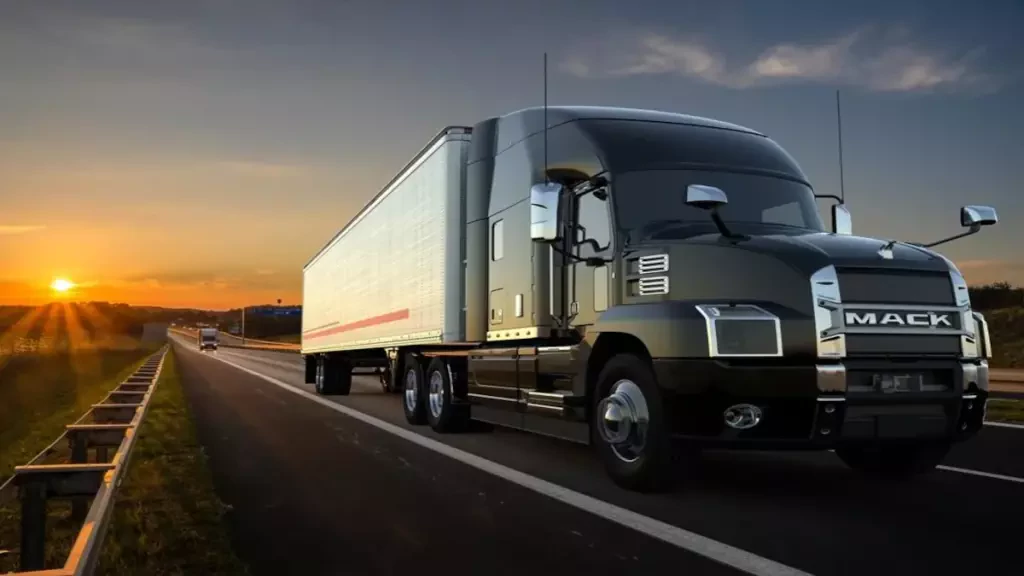
New Deals are now available for shipping all types vehicles using our vetted reliable shippers. Compare price estimates & Unlock up 25% off.
Different Types
- Straight truck shipping costs $1.00–$2.00 per mile for short hauls, with rates varying by truck type, payload weight up to 33,000 lbs, and route distance.
- Most domestic straight truck shipments are completed in 3–7 days; box, cube, and refrigerated variants 12–26 feet long are transported on open or flatbed carriers.
- FMCSA-licensed carriers must verify CDL requirements for heavier units, carry full cargo insurance, and conduct pre-transit inspections before transport begins.
They are a popular choice for moving goods across the United States and abroad. While U-Haul trucks are a familiar type, there are various other types available. Typically, it has a height of no more than 10 feet and a length of less than 26 feet. They include:
- Box Trucks. They are used for furniture, food delivery, newspaper delivery, household goods, and other less-than-truckload (LDL) freight.
- Cube Trucks. They are also used for LDL freight, including furniture, household goods, and more.
- Dump Truck. They are used for hauling construction and landscape materials, including rock, gravel, dirt, sand, and more. They have a hydraulic attached bed that can be raised and lowered to dump the materials when needed at a job site.
- Sprinter Vans: Ideal for smaller deliveries and expedited delivery, sprinter vans offer quick access to urban areas and tight spaces where larger ones might struggle to navigate. They are commonly used for hauling electronics, appliances, and other high-value goods.
- Cue Trucks: These specialized ones are equipped with cue racks and storage compartments, making them perfect for hauling cues, gaming tables, and other equipment for entertainment venues.
- Refrigerated Trucks: With built-in cooling systems, they ensure the safe dispatching of temperature-sensitive goods such as perishable foods and pharmaceuticals. They come in various dimensions to accommodate different load sizes and temperature requirements.
- Liftgate Trucks: Equipped with hydraulic lift gates, these facilitate the loading and unloading of heavy items, such as machinery, pallets, and large appliances. They are essential for businesses without loading docks or for deliveries to residential areas.
- Tractor-trailers: While typically associated with longer hauls, tractor-trailers also come in configurations for regional deliveries. They offer the benefits of full truckload (FTL) while providing easier access to urban areas compared to traditional tractor-trailer combinations.
Different types offer a variety of benefits in terms of size, access, and power, catering to a wide range of industries and requirements.
Whether it's hauling furniture, electronics, or construction materials, there's a suitable one for the job, providing dispatchers with a variety of options when it comes to selecting the right one for a particular shipment. While most have a maximum capacity of 26,000 pounds, larger ones are available upon request, giving LTL carriers and their customers access to more options for moving heavier cargo. However, it is critical to contemplate that those that hold heavier one will require a driver with a CDL. Additionally, businesses can customize features such as lift gates, refrigeration units, and branded logos to meet specific needs while maintaining professionalism and visibility.
Choosing the Right Carrier
When it comes to moving goods, selecting the right company is crucial for ensuring timely delivery, efficient service, and overall customer satisfaction. Here are four essential considerations to keep in mind when choosing a carrier for your needs:
- Service Quality and Reliability: One of the primary factors to evaluate is the quality and reliability of the carrier's service. Look for companies with a proven track record of delivering loads on time and in good condition. Customer reviews and testimonials can provide valuable insights into the level of service provided by a carrier. Additionally, inquire about the carrier's commitment to customer service and their ability to handle your needs.
- Coverage and Availability: Evaluate the carrier's coverage area and availability to ensure they can meet your requirements. Choose a carrier that offers comprehensive services across the country or within specific regions where your business operates. Whether you need services in California, Colorado, Arizona, Maine, Kentucky, Connecticut, Vermont, Minnesota, Arkansas, Tennessee, New Mexico, North Carolina, Massachusetts, or beyond, ensure the carrier has the necessary permits and expertise to handle shipments to your desired destinations.
- Volume and Capacity: Consider the volume of shipments you plan to haul and whether the carrier can accommodate your needs. A reputable company should have a fleet equipped to handle varying load sizes and types. Whether you require hauling services for small, medium, or large volumes of freight, choose a carrier with the logistical capabilities to meet your demands efficiently.
- Logistics and Routing Expertise: Assess the carrier's expertise in logistics and route optimization to ensure efficient dispatching and delivery of your shipments. Experienced carriers will have a thorough understanding of optimal routes and networks, minimizing transit times and reducing the risk of delays. Whether it needs to travel from California to New York or from Arizona to Texas, choose a carrier with the knowledge and resources to navigate the most efficient routes.
Best Practices for Optimizing Efficiency
Here are some key strategies to contemplate:
- Utilize the Right One for the Job: Choose the appropriate type, whether it's a box or a cube truck, based on the nature and volume of your loads. Matching the cargo area to the size and weight of the goods can minimize wasted space and maximize load capacity.
- Streamline Dispatch and Routing: Invest in dispatching tools and software to optimize route planning and minimize unnecessary detours. Providing drivers with detailed information and instructions can help them navigate efficiently, reducing transit times and fuel consumption.
- Focus on Driver Training and Licensing: Ensure your drivers have the necessary training and valid driver's licenses to operate safely and legally. Well-trained drivers are more likely to handle issues and challenges effectively, preventing delays and accidents.
- Monitor and Maintain Equipment: Regularly inspect and maintain the frame, tires, and mechanical components to prevent breakdowns and ensure smooth operations. Addressing maintenance issues promptly can minimize downtime and keep your supply chain running smoothly.

Why Choose A1-AT?
We understand that moving can be a complex process. That's why we offer a comprehensive solution for everything from household goods to vehicles. We use our expertise to manage it and ensure it arrives safely. Our services are available to neighborhoods across the country, and we work with movers of all sizes to meet their unique needs.
Straight Truck
Our team will load and deliver to the pickup location. We can deliver to all 50 states in the U.S. as well as to locations worldwide. It will be fully insured.
Choosing to move will help prevent excessive wear and tear on the engine and tires. Moving can also help save money on fuel costs, and other operating costs, as well as necessary stops for snacks, meals, lodging, and more.
Relevant Statistics
- Straight truck shipping accounts for approximately 25% of all freight hauled in the United States.
- The average truck can carry a payload of up to 10,000 pounds (4,536 kilograms).
- Over 70% of shipments are delivered within a 500-mile radius.
- These Trucks are responsible for hauling over 250 billion pounds (113 billion kilograms) of goods annually.
- The use has increased by 15% in the past five years due to the rise in e-commerce and last-mile demands.
Moving Cargo with It
If you have a significant amount of household goods, furniture, retail merchandise, or any other freight that needs to be moved, we can assist you with that. Our dispatch team can quickly find a driver to load it from our warehouse and transport it to any destination. We also offer distribution services and can help you manage your inventory. With our network of drivers, you have the option to deliver anywhere you need it to go.
Let Us Oversee the Delivery
A1-AT is a reliable company that can move your cargo to any location in the United States, quickly and efficiently. We also offer international services. To get a free quote, please fill out the quote form available on this page. You can also contact one of our agents for an all-inclusive quote and to get answers to any questions you may have about moving. Call us today at 1-888-230-6512 to schedule your moving or to transport your car, truck, equipment, or other machinery.
Frequently Asked Questions
What is a straight truck?
A straight truck is a commercial vehicle with the cab and cargo box built on a single chassis, making it different from a tractor-trailer. Straight truck shipping is commonly used for furniture, retail freight, appliances, industrial equipment, and local or regional deliveries because it offers excellent maneuverability, faster loading, and direct transportation. Learn more about our truck shipping services.
What is the difference between a straight truck and a box truck?
A box truck is a type of straight truck, so the terms are often used interchangeably. The difference is that "straight truck" describes the vehicle's construction, while "box truck" refers specifically to an enclosed cargo body. Straight trucks can also include refrigerated, stake-bed, or utility configurations. The right option depends on cargo type, weight, delivery requirements, and loading needs.
What size straight truck is typically used for shipping?
Most straight trucks used for shipping have cargo bodies ranging from 12 to 26 feet long. Smaller trucks work well for city deliveries, while 24- and 26-foot models are commonly used for commercial freight, oversized furniture, and equipment. Choosing the proper size depends on cargo dimensions, weight, loading access, and delivery distance. Learn more about door-to-door transport.
Can a straight truck be used for long-distance shipping?
Yes. Straight truck shipping is suitable for both local and interstate transportation when the shipment stays within legal size and weight limits. Many businesses prefer straight trucks because they reduce freight transfers, helping minimize handling and damage. Transit time depends on distance, traffic, weather, and pickup scheduling. Specialized cargo may require heavy equipment shipping.
How should I prepare a straight truck for shipping?
Before shipping a straight truck, remove loose personal belongings, document its condition with photos, verify the vehicle dimensions, weight, and mechanical condition, and secure any removable accessories. Providing accurate measurements helps carriers choose the correct trailer and permits when necessary. Proper preparation reduces loading delays and helps ensure a smooth transport experience.
How much weight can a straight truck carry?
Most straight trucks have a Gross Vehicle Weight Rating (GVWR) of 10,000 to 33,000 pounds, although actual payload capacity is lower after subtracting the truck's own weight. Safe carrying capacity depends on truck class, axle ratings, cargo distribution, and state weight regulations. Understanding these limits helps prevent delays and ensures safe transportation. See our car shipping cost guide.

 Share on Facebook
 Share on LinkedIn
 Share on Twitter
 Dave C.
  Courtney J.
  Jeff D.
  Maria L.
  Google
  Instagram
  BBB
BBB