How To Transport A Backhoe: Steps, Cost & Tips (2022)

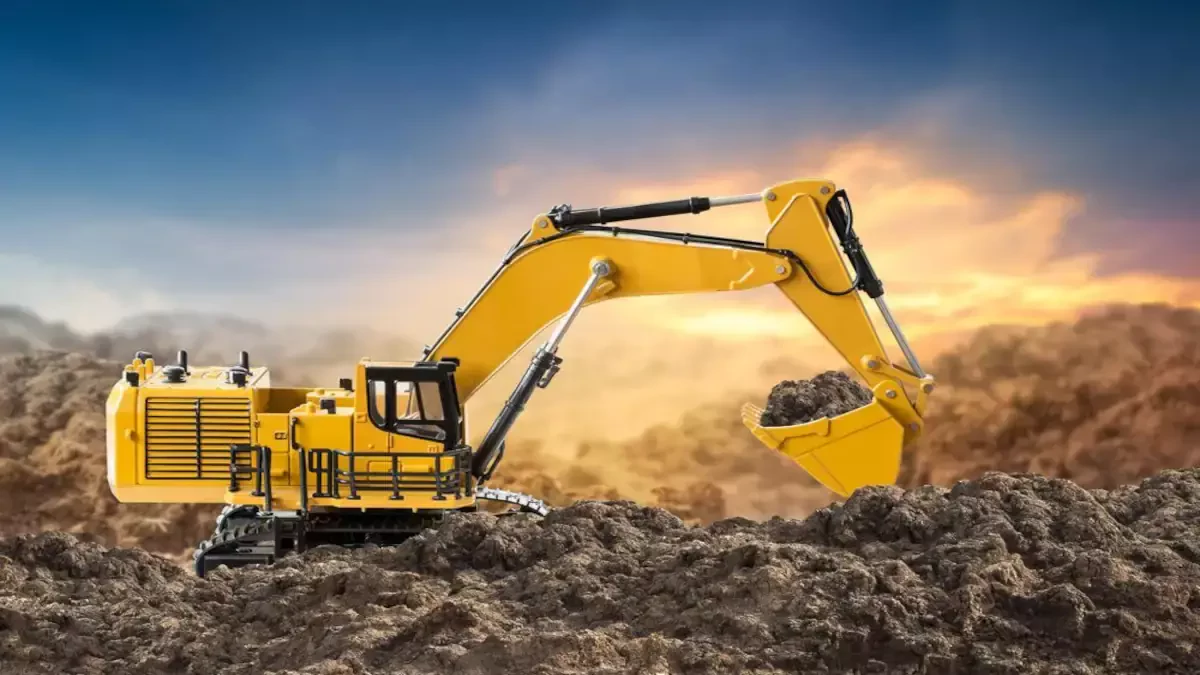
A backhoe may be equipped with a steer and a set of sturdy wheels, but it isn’t designed to move across long distances. Thus, hauling it to various construction site locations could be challenging.
However, it’s not impossible to haul it from one job site to another. If you want to learn how to haul hassle-free, read on.
5 Steps To Load & Transfer A Backhoe
Use An Open-Air Trailer
The best way to haul is through open air, typically 75 to 80 feet long, and hauls a two-level trailer without a roof and sides. Hence, any vehicle moved through this type is always exposed to various elements.
Although open-air doesn’t have sides, you must ensure that the length of your backhoes fits into the length of the flatbed. The open-air method is also cheaper than enclosed cargo trailers.
Determine the Dimensions
Another way to ensure your gear is safe is by determining its dimensions before loading it onto it.
The backhoe’s length, width, and weight are vital factors to be considered when choosing the best vehicle to haul it.
There are also regulations under the DOT revolving around these essential factors that you should follow. Thus, we suggest verifying such regulations before delivering them to avoid unnecessary delays, fines, or accidents.
Load It
We strongly recommend performing a risk assessment and thoroughly inspecting before loading the backhoe.
Ensure the parking brake is applied and all parts are functional. Always load the machine at a safe distance to avoid hitting nearby objects.
Attach the backhoe to the flatbed [1] firmly using ratchet straps, ensuring it does not move quickly. You can dismantle its bucket by removing the bucket pin as you lower it onto the trailer.

Make Sure It’s Safe & Secure
Ensure the trailer and the machinery are secured at all costs before driving. To secure it, you must inspect all critical parts to smooth the process. Check all signal lights, front and rear wheels, and chains.
The machine should also be attached firmly to the backhoe hauling truck. Check all attachments like a large bucket and decide whether you can safely haul them without dismantling them.
Ensure the vehicle has adequate power and can haul the backhoe to your preferred destination. Before loading, you must also ensure that the truck is parked on firm ground for even positioning.
Hire Professionals
If it’s too challenging for you to haul your equipment, you can hire a team of professional haulers with extensive experience. Most companies offer competitive quotations for delivering using the most efficient route.
The best company will get the job done safely and on time because it has an extensive inventory of vehicles that can cater to any model.
Why It’s Important To Hire Professionals
Right Tools
The best company has the right tools to haul. They have a wide selection of trucks perfect for open-air methods. If you intend to move your equipment locally, they have flatbed trailers to offer.
However, if you wish to deliver your kit outside the country, you could easily opt for a closed-containment shipment method.
Experienced Staff
The company also provides an experienced driver who carefully moves your tools.
Working with a professional team with proper experience in hauling is safer, stress-free, and more reliable.
Strategically Efficient
Strategically, transporting [2] through a licensed company is more efficient. Imagine the time, effort, and money you might have to waste if you load it all yourself.
Loading it without the help of a professional team or experienced driver may also endanger your safety.
Insurance
Another perk of working with towing agencies is having access to their insurance without going through the trouble of processing permits.
You won’t have to worry about unforeseen accidents that may damage your machinery while being moved. If anything happens to your machinery, the firm will cover it – at all costs.
Securing the safety and condition is their primary job.

Are There Disadvantages To The Open-Air Method?
Yes, there are disadvantages to the open-air method. Although it is a cheaper travel method, open ones are prone to being covered in road debris and exposed to various outside elements.
Backhoes should be attached to the trucks using tie-downs, chains, and straps, so in case any of them come loose, the banging of metal chains could potentially damage them.
How Much Does It Cost To Deliver?
The average cost ranges from $3 to $5 per mile, plus at least a pick-up charge of $150 to $170. However, most companies consider various factors affecting the fees.
Some of the factors are:
- backhoe’s dimensions
- trailer type
- distance points/drop-off location
- loading assistance and disassembly
- point of origin

Summary
Hauling is easier and cheaper through an open-air method. You can use an RGN trailer, or any open-air, to safely move it from one site to another.
Determining the dimensions, safely loading it onto the trailer, and securing the vehicles are critical factors in hauling.
You can also get professional help if you want hassle-free dispatching. It’s efficient, safe, and strategically beneficial because you could save more time and money.
Your equipment can travel amidst natural elements and bad weather conditions without you worrying because the legal company provides insurance.
Frequently Asked Questions
How do you transport a backhoe safely?
Transporting a backhoe safely requires professional heavy equipment hauling using the correct trailer, secure tie-downs, and trained operators. Most backhoes are moved on flatbed, step deck, or RGN trailers depending on size and ground clearance. Factors such as weight, boom position, axle limits, and route restrictions must be evaluated in advance. Professional carriers follow DOT load securement rules and typically handle permits, escorts, and logistics for oversized equipment through experienced heavy equipment transport.
What kind of trailer is used to transport a backhoe loader?
Backhoe loaders are most commonly transported on RGN, step deck, or flatbed trailers. RGN trailers are preferred for larger backhoes because they allow ground-level loading and support heavier weights. Smaller units may fit on step deck or flatbed trailers if height limits are met. Trailer selection depends on machine weight, dimensions, and whether attachments remain installed during transit.
How much does it cost to transport a backhoe?
The cost to transport a backhoe typically ranges from $3 to $6 per mile for standard domestic moves. Pricing is influenced by distance, machine size, trailer type, fuel costs, permits, and whether the load is oversized. Short hauls often have higher per-mile rates, while long-distance moves average lower. Accurate pricing is usually calculated using specialized heavy equipment shipping rates rather than flat mileage alone.
Do backhoes require permits when being transported?
Permits are required if the backhoe exceeds legal width, height, length, or weight limits for the route being used. Many full-size backhoes qualify as overweight or over-height loads, especially when transported with attachments installed. Professional carriers typically manage permitting, routing, and compliance as part of regulated heavy haul services to avoid fines and delays.
How much does a backhoe weigh on average?
Most full-size backhoes weigh between 14,000 and 20,000 pounds depending on brand, model, and attachments. Compact backhoe loaders may weigh as little as 3,000 to 8,000 pounds, while industrial models with extended booms or buckets are heavier. Exact operating weight is critical because it determines trailer selection, axle compliance, and whether oversize or overweight permits are required for transport.
How long does it take to transport a backhoe?
Transit time depends on distance, permitting requirements, route restrictions, and carrier availability. Short regional moves may take 1 to 3 days, while long-distance or permitted loads often take 5 to 10 days. Weather, escort scheduling, and loading conditions can also affect timing. Planning ahead improves scheduling efficiency when arranging nationwide equipment hauling near me.

 Share on Facebook
 Share on LinkedIn
 Share on Twitter
 Google
  Instagram
 Dave C.
  Courtney J.
  Jeff D.
  Maria L.