Heavy Equipment Shipping Statistics 2025–2026 (Costs, Trends & Industry Data)

Heavy equipment shipping is a specialized sector of logistics, responsible for moving oversized machinery for construction, mining, agriculture, and energy projects. With infrastructure spending rising worldwide, this industry continues to expand in both the U.S. and global markets. Below is a roundup of the latest statistics on costs, shipping methods, challenges, and future trends for 2025–2026.
Heavy Equipment Shipping Market Size & Growth
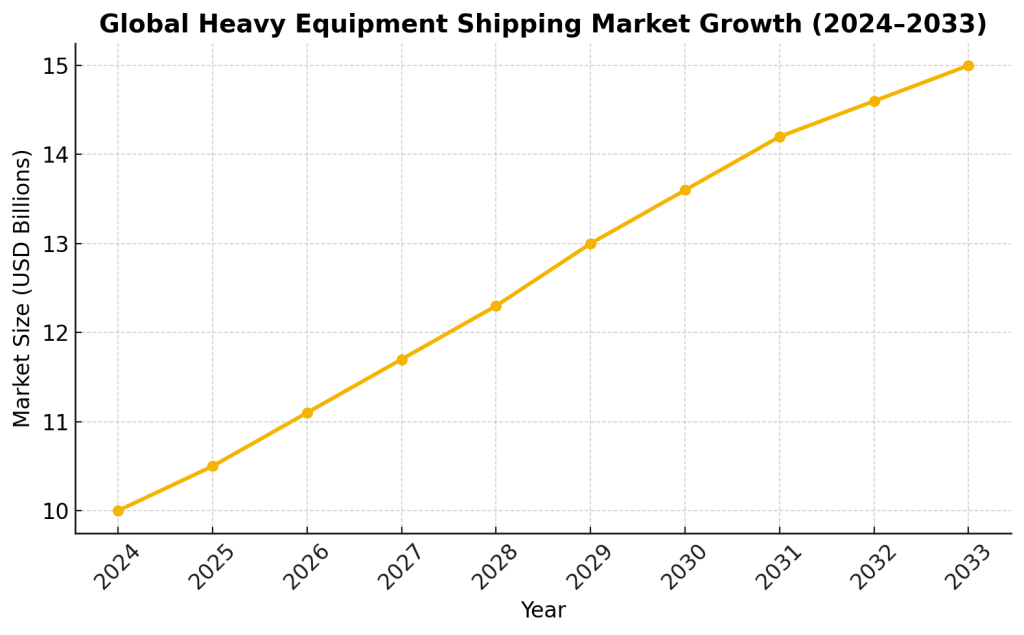
The heavy equipment shipping industry is expanding steadily, with North America holding the largest share and Asia-Pacific driving the fastest growth.
- The global heavy equipment transport services market is valued at $10 billion in 2024, projected to reach $15 billion by 2033 (Statista).
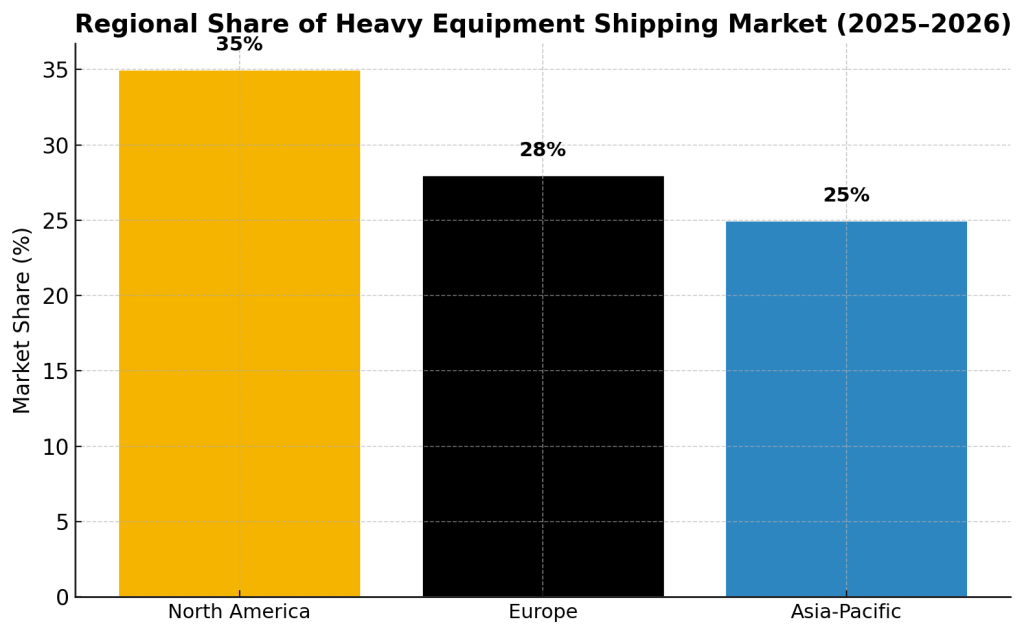
- North America holds 35% of global revenue (2023), followed by Europe (28%) and Asia-Pacific (25%) (Market Research Future).
- U.S. heavy-haul freight services are growing at about 4.2% annually through 2025, supported by investments in infrastructure (U.S. Department of Transportation).
New Deals are now available for shipping all types vehicles using our vetted reliable shippers. Compare price estimates & Unlock up 25% off.
Average Costs of Shipping Heavy Equipment
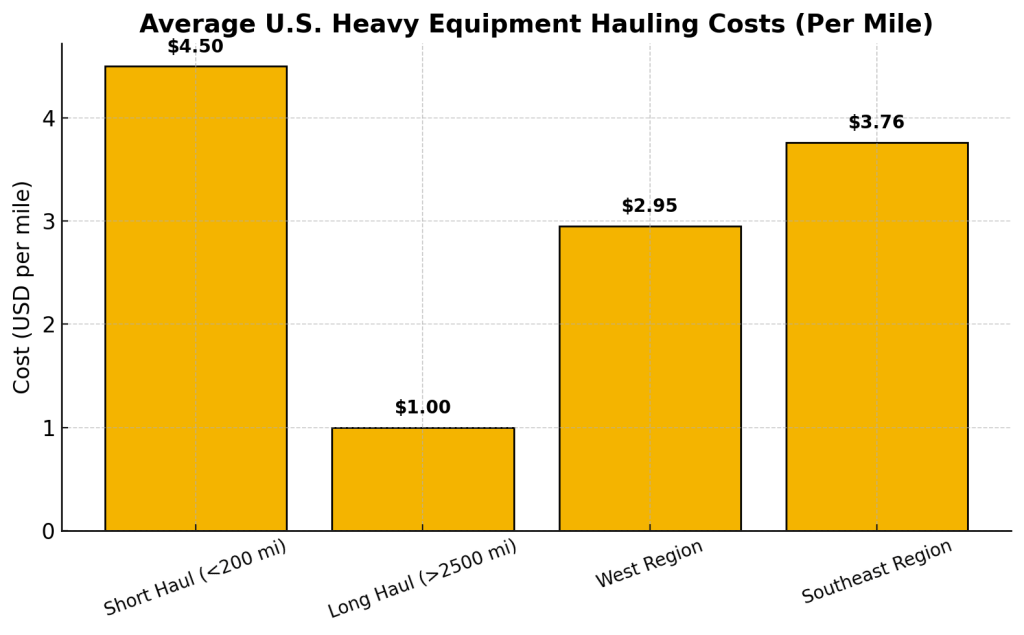
Shipping costs depend on distance, size, and mode of transport. U.S. domestic shipments are priced per mile, while international moves add significant ocean freight costs.
- U.S. heavy equipment hauling costs average $3–$8 per mile, depending on route and load size.
- Long-haul shipments (>2,500 miles) can drop to ~$1 per mile (American Transportation Research Institute).
- Regional rates vary: $2.95/mile in Western states vs $3.76/mile in the Southeast (DAT Freight & Analytics).
- Ocean freight example: $1,876 for a 20-ft container from Shanghai to Los Angeles (Freightos).
Types of Heavy Equipment Shipped
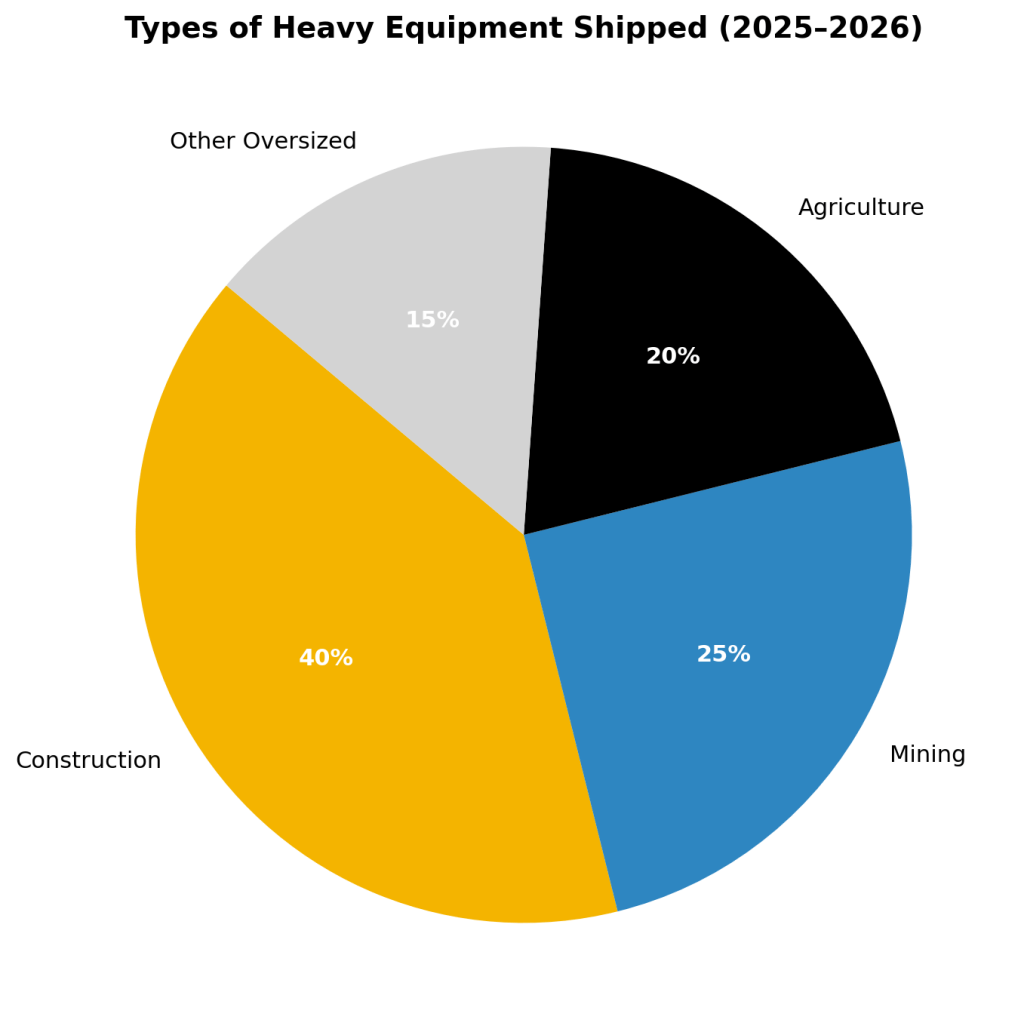
Construction machinery makes up the largest share of shipments, followed by mining and agriculture equipment.
- Construction machinery = ~40% of shipments (excavators, bulldozers, cranes) (AEM).
- Mining machinery = 25%, fastest-growing category (World Mining Equipment Outlook).
- Agricultural equipment = 20% (tractors, harvesters) (U.S. Census Bureau).
- Other oversized loads = 15% (industrial parts, turbines, military vehicles).
Shipping Methods: Road, Rail, Sea & Air
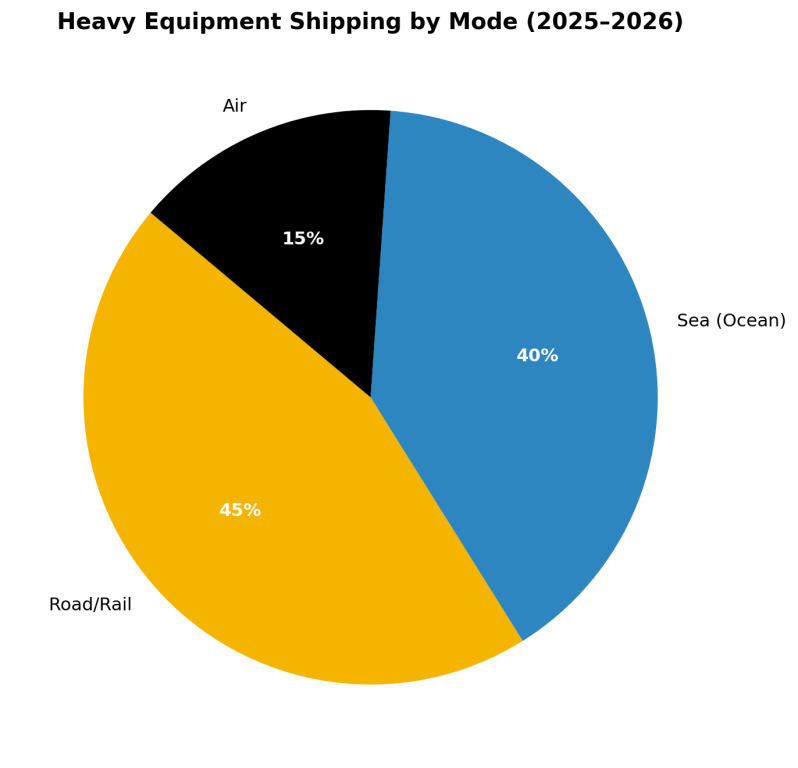
Most heavy equipment is transported overland by truck, but ocean shipping dominates international moves.
- Road/rail transport = 45% of global heavy equipment transport revenue (Market Research Future).
- Ocean shipping = 40%, vital for exports/imports (UNCTAD).
- Air freight = 15%, a niche but growing solution for urgent deliveries (IATA).
- Trucks handle 72.6% of all U.S. freight by weight (BTS).
Domestic vs. International Trends
Domestic U.S. shipping remains strong, but global trade in heavy equipment is rapidly increasing.
- North America = 35% of global heavy equipment shipping revenue (Market Research Future).
- Asia-Pacific = 25%, fastest growth region (World Bank).
- Europe = 28%, steady demand.
- Nearly 40% of shipments are ocean-based international moves (UNCTAD).
Delivery Times & Distances
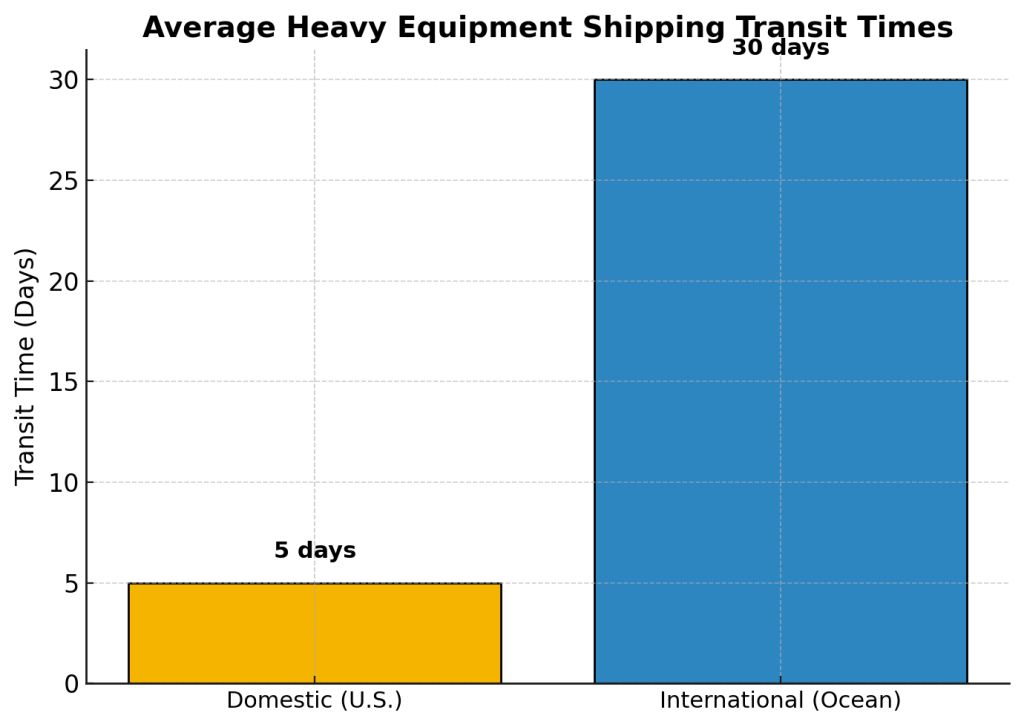
Heavy equipment shipping is time-intensive, especially for oversized loads and ocean freight.
- U.S. domestic shipments typically take 3–7 days (U.S. DOT).
- Example: New Orleans → New York (1,300 miles) = 4–6 days.
- Average U.S. freight haul = 500–600 miles, while heavy equipment often travels 1,000+ miles (FHWA).
- International ocean transit = 15–45 days port-to-port.
Challenges in Heavy Equipment Shipping
The industry faces regulatory, fuel, and labor-related challenges.
- All 50 states have unique oversize permit rules.
- Diesel price spikes (e.g. +25% in 2022) impacted shipping costs (U.S. Energy Information Administration).
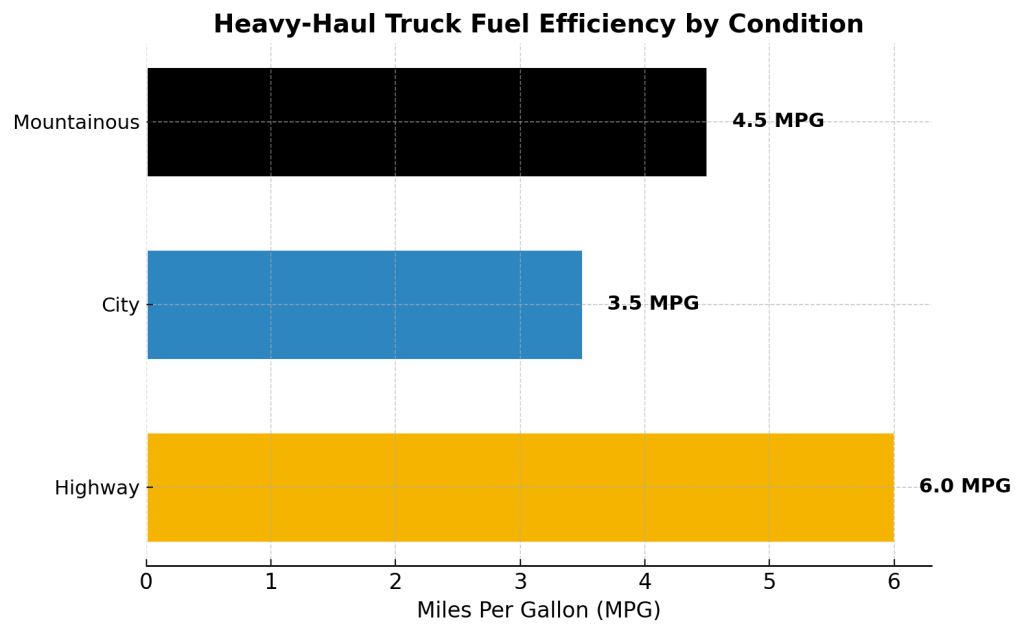
- Heavy-haul trucks get just 3–6 MPG depending on load/terrain (Environmental Protection Agency).
- The trucking industry faces a 60,000+ driver shortage (AMT).
Future Trends 2026 & Beyond
Technology and sustainability are shaping the future of heavy equipment logistics.
- Market forecast: 5%+ annual growth through the late 2020s.
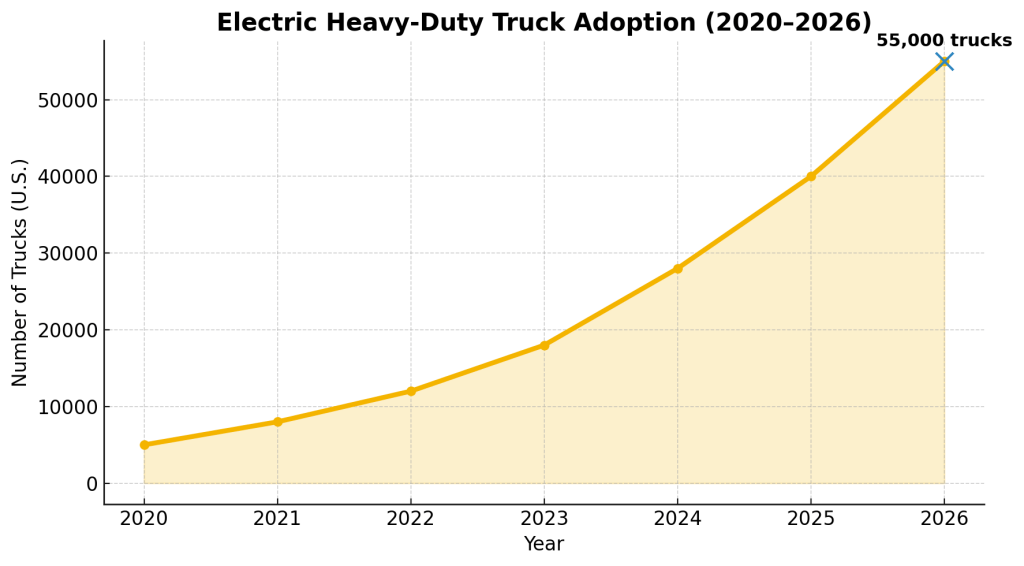
- U.S. offering $40,000 EV truck tax credits under the Inflation Reduction Act (White House Fact Sheet).
- About 30,000 electric trucks on U.S. roads by 2024 (<0.3% of fleet).
- Nearly 90% of logistics firms use GPS tracking, with AI adoption rising (FreightWaves).
Final Thoughts
Heavy equipment shipping plays a central role in infrastructure and industrial growth. With rising demand in the U.S. and abroad, costs and regulations remain challenges, but technology and sustainability will drive innovation. This dataset highlights the key numbers shaping the industry in 2025–2026.
If you’re planning a move for construction machinery, agricultural equipment, or oversized freight, A-1 Auto Transport provides reliable heavy equipment shipping services across the U.S. and internationally. Our specialized trailers, experienced drivers, and nationwide coverage ensure safe, on-time deliveries for even the largest loads.
Learn more about ourHeavy Equipment Shipping Services
Frequently Asked Questions
How much does heavy equipment shipping cost in the U.S.?
Heavy equipment shipping typically costs between $2.00–$5.00 per mile or $1,500–$15,000+ per shipment, depending on size and distance. Pricing is driven by weight, dimensions, route complexity, permits, and trailer type such as lowboy or flatbed. Oversized loads requiring escorts or special routing increase costs significantly. Seasonal demand and fuel prices also impact rates. For a tailored estimate, use a heavy equipment shipping calculator.
What types of equipment can be shipped by heavy equipment transport companies?
Heavy equipment shipping companies handle a wide range of machinery, including construction equipment, farm machinery, cranes, bulldozers, excavators, and industrial units. Transport methods depend on weight class, height clearance, and load configuration, often using lowboy trailers for oversized loads. Equipment that exceeds federal size limits requires permits under DOT regulations. Specialized handling ensures safe loading and secure tie-downs, especially for irregular or high-value machinery.
What factors affect heavy equipment shipping rates?
Heavy equipment shipping rates vary based on distance, equipment size, weight, trailer type, and route restrictions. Oversized loads needing permits, escorts, or specialized trailers significantly increase costs. Fuel prices, seasonal demand, and rural pickup locations also influence pricing. Urban routes may offer lower rates due to higher carrier availability. Reviewing current heavy equipment shipping rates helps benchmark realistic pricing before booking.
How long does heavy equipment shipping take?
Most heavy equipment shipments take 3–10 days, depending on distance and logistics. Short regional hauls may complete in 1–3 days, while cross-country shipments can take over a week. Timing depends on route planning, permit approvals, weather, and carrier availability. Oversized loads often move slower due to restricted travel hours and escort requirements. Scheduling flexibility can reduce delays and help secure faster pickup windows.
How do I prepare heavy equipment for shipping?
Proper preparation includes cleaning the equipment, removing loose parts, securing attachments, and checking fluid levels. Batteries should be disconnected if required, and all moving parts must be locked or stabilized. Accurate measurements and documentation are critical for permits and carrier planning. Following a detailed heavy equipment shipping preparation guide helps prevent delays, damage, or compliance issues during transport.
Can heavy equipment be shipped internationally?
Yes, heavy equipment can be shipped overseas using roll-on/roll-off (RoRo), flat rack, or container shipping methods. Costs typically range from $5,000–$25,000+, depending on size, destination, and port fees. International shipping requires customs documentation, export compliance, and port handling coordination. Transit times vary from 2–8 weeks based on origin and destination. Learn more about options for shipping heavy equipment overseas.

 Share on Facebook
 Share on LinkedIn
 Share on Twitter
 Dave C.
  Courtney J.
  Jeff D.
  Maria L.
  Google
  Instagram