
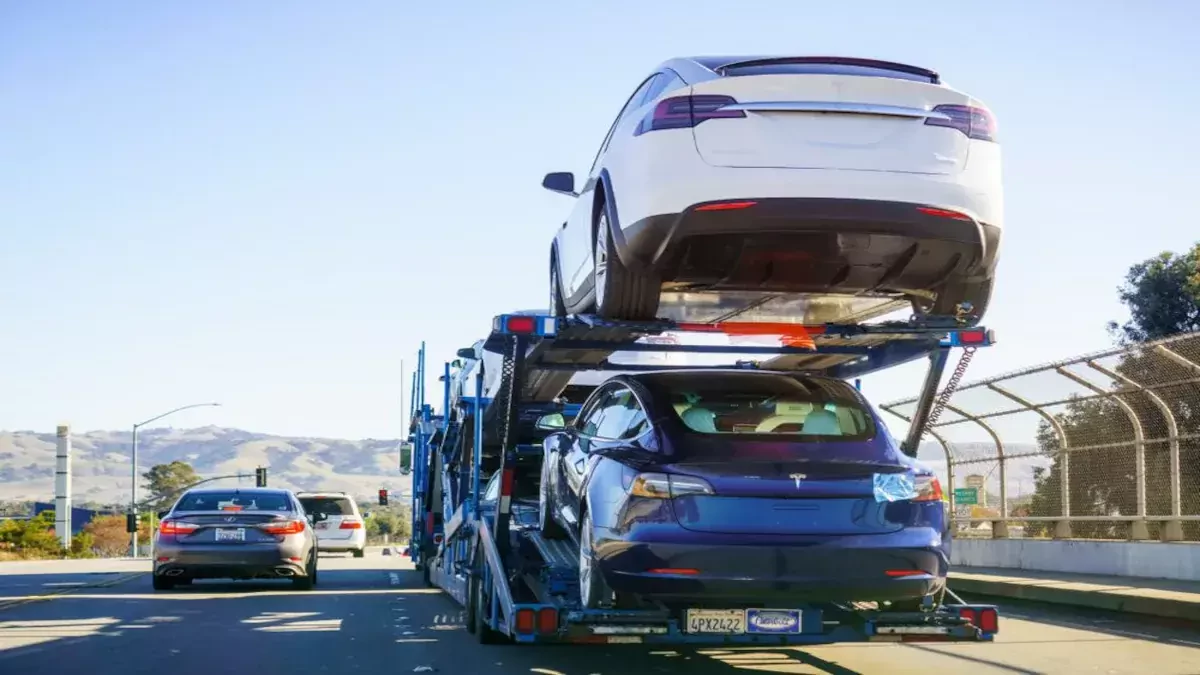

How Much Does Auto Transport Cost from Ohio to Alaska?
Even if the distance is the main factor that affects your costs, other elements like the season, kind of vehicle, size and weight, shipment method, etc., also have a significant impact. The price is often estimated to be between $1467 and $2345.
New Deals are now available for shipping all types vehicles using our vetted reliable shippers. Compare price estimates & Unlock up 25% off.
Pricing & Time For Shipments - Ohio to Alaska
Last Updated: 2 days ago
Quick Answer: Shipping a car from Ohio to Alaska costs around $2,500–$3,500 and typically takes 12–18 days.
See route-specific prices and distances in the table below.
| To / From Ohio to Alaska | Distance | Cost | Estimated Time In Transit |
| Columbus, OH To Anchorage, AK | 3928 miles | $7,070.58 - $8,641.82 | 9 - 11 Days |
| Cleveland, OH To Juneau, AK | 3359 miles | $6,056.20 - $7,387.80 | 9 - 11 Days |
| Cincinnati, OH To Fairbanks, AK | 3751 miles | $6,763.06 - $8,253.74 | 9 - 11 Days |
| Toledo, OH To Badger, AK | 3686 miles | $6,646.06 - $8,110.74 | 9 - 11 Days |
| Akron, OH To Knik-Fairview, AK | 3909 miles | $7,036.20 - $8,599.80 | 9 - 11 Days |
| Dayton, OH To College, AK | 3757 miles | $6,763.86 - $8,266.94 | 9 - 11 Days |
| Parma, OH To Wasilla, AK | 3874 miles | $6,974.10 - $8,523.90 | 9 - 11 Days |
| Canton, OH To Tanaina, AK | 3921 miles | $7,059.42 - $8,628.18 | 9 - 11 Days |
| Youngstown, OH To North Lakes, AK | 3931 miles | $7,076.16 - $8,641.64 | 9 - 11 Days |
| Lorain, OH To Sitka, AK | 2546 miles | $4,582.80 - $5,601.20 | 7 - 9 Days |
*Prices and times are estimated. They can vary depending on the season and what type of vehicle you are moving.
When Will It be Delivered, and how Long Will it Take?
The separation between the pickup states influences the travel time and cost of delivery. Most shipments typically cover 3,852 miles and arrive in 5-7 days.
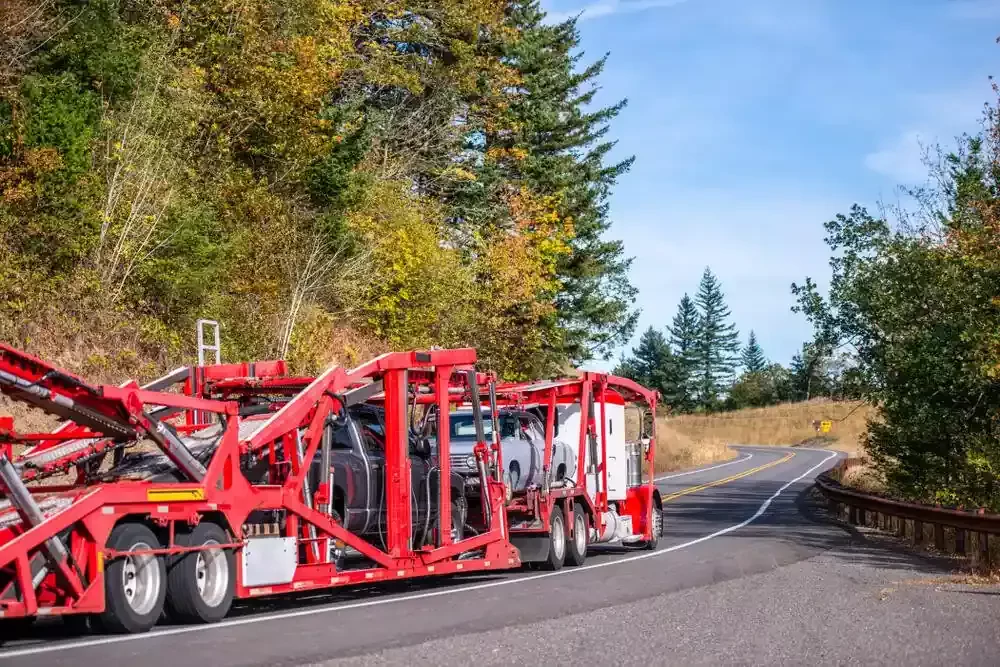
Delivery Spots
Alaska has several hubs. However, these are the most significant ones:
- Juneau
- Anchorage
- Badger
- Fairbanks
- Wasilla
- College
- Tanaina
What Is the Cheapest Way?
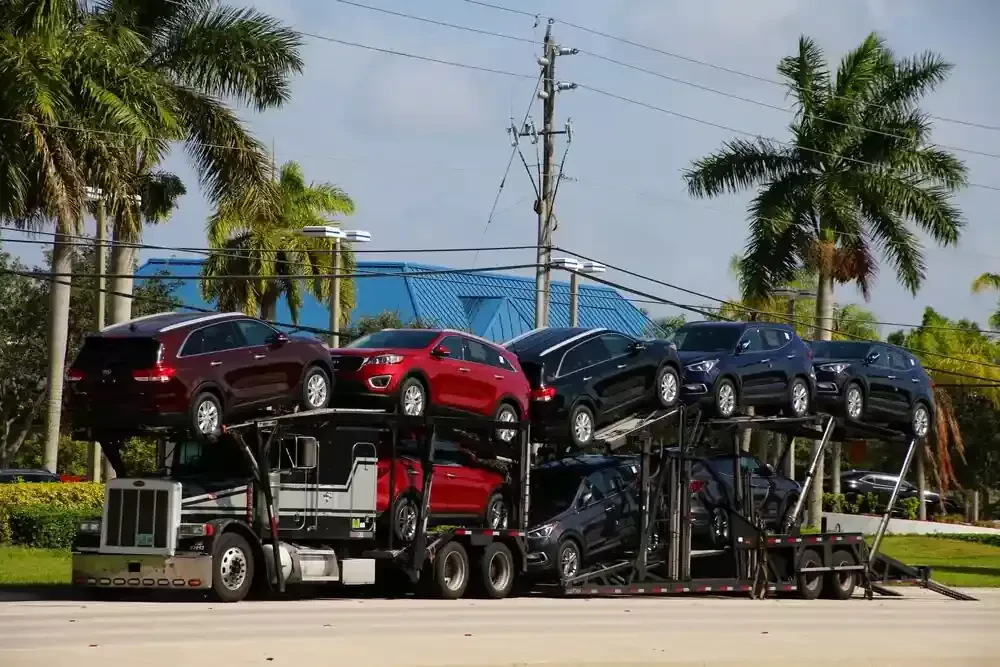
The cheapest and quickest way to move is via the open-air method. To haul, a sizable, two-level trailer is used. The most effective and affordable method of sending any vehicle is via open transit.
The entire auto is enclosed for hauling in an enclosed carrier, though. This will provide you with an additional degree of safety and security. It is typically used when delivering a brand-new car, an expensive automobile, an antique, a collectible, or another item.
We Can Also move the Following Items
- Motorcycles
- Boats
- Motorhomes
- RV's
- Heavy Equipment
- ATV's
- Yacht
- Freight
Picking Locations
The central pick-up locations for autos in Ohio are as follows:
- Cleveland
- Columbus
- Toledo
- Cincinnati
- Dayton
- Akron
- Canton
- Parma
Frequently Asked Questions
How much does it cost to ship a car from Ohio to Alaska?
As of September 20, 2026, plan on about $4,000-$4,800 to ship a standard operable car from Ohio to Anchorage. The total usually combines the Ohio-to-Washington truck leg with the ocean leg to Alaska, so vehicle size, operability, road transport type, and final delivery beyond Anchorage can move the quote. A1's car shipping rates guide explains the main pricing inputs. Routes to Fairbanks, Southeast Alaska, or smaller ports can price differently because they require different onward connections.
How long does it take to ship a car from Ohio to Alaska?
Ohio-to-Anchorage car shipping typically takes about 14-21 days from vehicle pickup in Ohio to availability in Anchorage. The trip combines truck transport to Washington with an Alaska sailing; Matson lists 5-7 days from vessel sail date between Tacoma and Alaska. This window does not include the days spent waiting for a carrier before pickup, and missing a vessel cutoff can add time. Fairbanks or smaller Alaska destinations may take longer because another inland or marine connection can be required.
How does Ohio to Alaska auto transport work?
Ohio to Alaska auto transport usually uses a truck-and-ocean route rather than one continuous highway trip into Alaska. Your vehicle moves from Ohio to a Washington terminal, then transfers to an Alaska-bound vessel or barge; Matson routes Alaska vehicle shipments through Tacoma, while Alaska Marine Lines operates Alaska service from Seattle. After arrival, the car is released at the port or moved inland if your booked service includes final delivery. A1's Alaska car shipping guide covers broader destination and service options.
What is the cheapest way to ship a car from Ohio to Alaska?
Open transport on the Ohio-to-Washington leg is usually the lower-cost setup for a standard running car, especially when the Alaska portion uses regular port service. Enclosed trucking costs more because capacity is lower and the trailer provides more protection from weather and road debris. Port pickup in Anchorage can also avoid the cost of an additional inland delivery leg. For a normal daily driver, open transport is usually the practical budget choice; A1's enclosed auto transport options explain when extra protection may be useful.
Does winter weather affect Ohio to Alaska car shipping?
Yes. Winter weather can slow Ohio-to-Alaska shipping on the overland leg or at the Washington and Alaska terminals, so winter schedules need more time cushion than mild-season moves. Snow and ice can affect pickup access in Ohio and highway travel west, while vessel departures still depend on terminal cutoffs and marine operations. Keep your pickup window flexible and make sure the vehicle starts reliably, because a missed cutoff can push the car to a later sailing. The actual delay depends on the storm, port, and booked vessel schedule.
How should I prepare a car for shipping from Ohio to Alaska?
Before Ohio-to-Alaska shipping, prepare the car for both highway transport and the ocean handoff. Keep the exterior clean enough for inspection, provide working keys, remove loose exterior accessories and undeclared items, and follow the assigned ocean carrier's fuel rule. Matson's Alaska vehicle service currently requires between 1/8 and 1/4 tank of fuel and removal of items such as fire extinguishers; Alaska Marine Lines requires a completed bill of lading at drop-off. Your booking instructions control because acceptance rules can differ by ocean operator.

 Share on Facebook
 Share on LinkedIn
 Share on Twitter
 Google
  Instagram
  BBB
BBB  Dave C.
  Courtney J.
  Jeff D.
  Maria L.




