Top Dry Van Trucking Companies & Full Truckload Carriers

What to Consider When Choosing the Right Dry Van Trucking Company
When it comes to selecting the best dry van trucking company, it’s easy to feel overwhelmed. With so many options for dry van carriers and truckload carriers, figuring out the ideal choice can quickly become a challenge. Whether you're hiring dry van trucking companies for your business or looking into purchasing a vehicle for your fleet, it’s crucial to evaluate your specific needs carefully.
So, how do you choose the right dry van trucking company for your shipments? Here’s a practical guide to help you navigate your decision.
Understanding Trailer Types and How They Compare
Before diving into the details of choosing a dry van trucking company, it's helpful to understand the different types of trailers available and their unique advantages.
If you're new to the world of freight, here's an overview of the trailer options you’ll encounter and how they stack up when compared to full truckload carriers and other delivery methods.
Flatbed Trucking
Flatbed trailers, which can accommodate large, bulky, or oddly shaped cargo, are commonly used for various shipments. This type of trucking carrier allows you to easily load items such as heavy machinery, construction materials, and even lumber. However, because these trailers are open, securing your cargo is critical.
Flatbed trailers are also more straightforward to load and unload than other types of trucks. Their open design makes them ideal for high-volume or complex shipments that require flexibility.
Dry Van Trucking
Dry van trucking is the go-to solution when you need a reliable, secure way to transport sensitive or time-sensitive goods. These trailers act as protective, enclosed boxes that shield your cargo from environmental hazards like rain, dust, or debris. Dry van trucking companies are ideal for moving products that need to stay dry, clean, and protected, such as electronics, textiles, and perishable goods.
Dry van carriers are particularly beneficial when you require a dependable shipping option that ensures your cargo arrives safely, regardless of the weather or external conditions. It’s perfect for anyone looking for peace of mind during transportation.
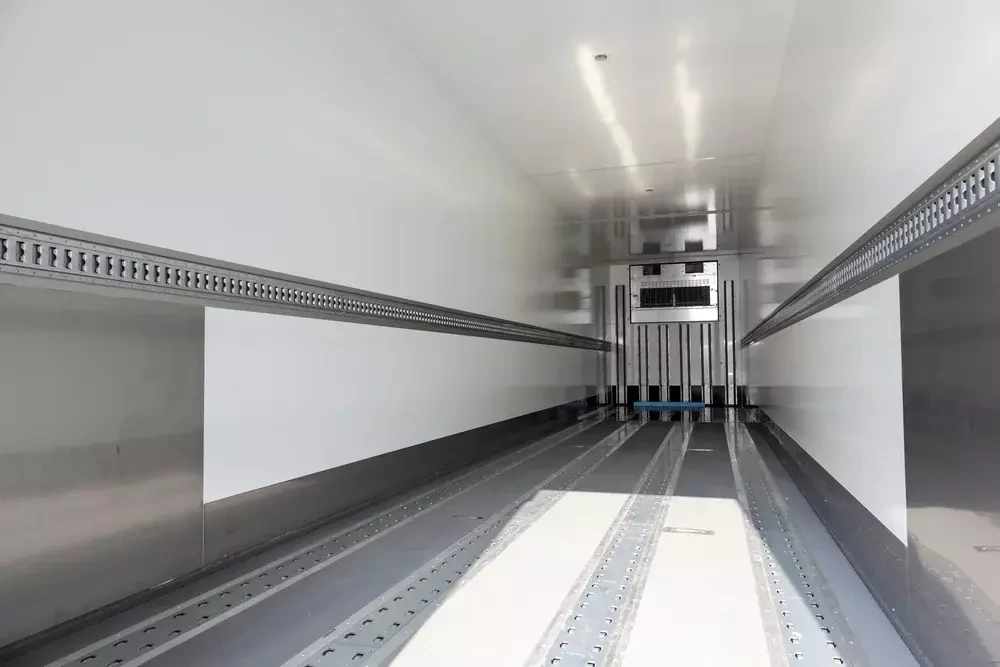
Dry vans are typically loaded and unloaded through the rear, with a forklift or other machinery. You can also load some dry trailers through the side, but they are an exception. Dry vans come in different sizes, so you must ensure that your cargo fits their base and doesn't weigh too much since this type of trailer weighs more than a flatbed.
Dry van transport is ideal for cargo such as clothing, produce, electronics, paper-based products, and so on.
Types of Trailers for Freight Needs
When choosing the right dry van trucking companies for your shipment, knowing what type of trailer fits your cargo's specific needs is essential. The best truckload carriers offer a variety of trailers, each designed for different kinds of freight. If you're looking for a solution tailored to temperature-sensitive goods or oversized loads, here’s an overview of the trailers you should consider.
Refrigerated Haulers for Temperature-Sensitive Freight
Refrigerated trailers are your best bet for goods needing precise temperature control, such as food and pharmaceuticals. Truckload carriers specializing in temperature-sensitive freight will often use refrigerated haulers to ensure that products stay fresh during transit. These trailers are more expensive and heavier than standard dry van trucks, but they are vital for industries that rely on precise climate control.
These specialized trailers are a must for businesses that transport perishable items. When you choose a full truckload carrier with refrigerated shipping, you can rest assured that your cargo will arrive in perfect condition.
Lowboy RV Trailers for Oversized Freight
Transporting freight that exceeds legal height limits? A lowboy trailer is the right solution. With its low platform, a lowboy trailer allows you to move tall and heavy cargo like machinery or construction equipment. Whether you're working with mega carriers or dry van trucking companies, a lowboy trailer provides the stability and support needed for oversized freight.
Because of its heavy-duty design, this trailer requires special permits and additional axles. This ensures safe transport, especially for large trucking companies handling heavy shipments.
Removable Gooseneck (RNG) Trailers for Heavy Loads
Removable gooseneck (RNG) trailers are ideal for moving massive and bulky items. Mega trucking companies and large trucking fleets often use RNG trailers to haul oversized equipment like industrial machinery, ships, or long pipes. Because they can drop the front of the trailer to the ground, RNG trailers make loading and unloading large freight much easier.
Just like lowboy trailers, RNG trailers require additional axles for extra strength and stability. These trailers are designed to handle the most challenging freight, making them an excellent choice for industries that deal with massive shipments.
How to Choose the Right Trailer for Your Cargo
When deciding on the right trailer for your needs, you must partner with the best truckload carriers and dry van trucking companies. Whether your cargo is temperature-sensitive, oversized, or just needs standard protection, the right trailer will ensure it gets where it needs to go safely and efficiently. Choosing the best trucking solution, whether it's a mega carrier, a dry van carrier, or a specialized trailer, can make a huge difference in your freight operations.
Choosing Between a Dry Gan and a Flatbed Trailer
For many cargo types, the choice is quite clear. But in some cases, it can be difficult to tell what hauling solution best fits your needs, as different kinds of trailers seem to meet the requirements.
Consider that some goods are weather-sensitive and must be protected from the elements. The same easy decision is to be made when the cargo has unusual measurements and would go beyond a dry van.
Loading is also essential to keep in mind if you want the logistics to run smoothly. Flatbeds might seem the obvious option here, but it all depends on the cargo type you need to ship.

Choosing Between a Dry Van and a Refrigerated Trailer for Your Freight
When you’re in the logistics game, it's crucial to decide between dry van trucking companies and refrigerated haulers. While both types of trailers serve similar purposes, they cater to different needs, and making the right choice ensures your freight reaches its destination safely and efficiently.
Opting for a refrigerated trailer is a must for sensitive shipments, like perishable goods or items that need consistent temperatures. Unlike standard dry van trucking, which offers essential protection from the elements, refrigerated haulers provide the exact climate control necessary for temperature-sensitive freight. While these trailers may be more expensive, the peace of mind they offer for your cargo is worth the investment.
On the other hand, if your goods aren't temperature-sensitive but still need to be shielded from external conditions, a dry van is likely all you need. These trailers are an excellent option for protecting cargo from the weather, ensuring that your freight is kept safe and secure on the road. But how do you know if dry van trucking is the right choice for your needs? Here’s what you should consider:
Choose a Reliable Option
When it comes to choosing a dry van trucking company, reliability is key. Whether you're renting or buying a dry van, you're making a long-term investment. Look for a trailer made with durable materials, offering a solid foundation that can support the weight of your freight. Staying updated on the latest technology and trailer designs ensures you get a dependable and cost-effective solution for the long haul.
Find the Right Size for Your Freight
Sizing your dry van trailer correctly is essential. You must know the typical volume and weight of your cargo to ensure a good fit. A trailer that’s too small could lead to overloading, while one that’s too big might end up wasting space. But having extra space is better than overloading and risking damage to your cargo or your wallet. Choose a dry van trucking company that offers trailers tailored to your shipping needs.
Consider a Dual Trailer Setup for Increased Efficiency
If your budget can’t accommodate renting multiple trailers, consider the benefits of using two instead of one. With the drop-and-hook method, you can swap out a loaded container for an empty one, saving you valuable time on loading and unloading. This can be especially beneficial if your business requires frequent transfers between locations.
For extended shipments, intermodal containers could be a great addition to your freight logistics. They provide the flexibility to move cargo across multiple transport methods, including trucks, trains, and ships.

Always Keep the Law and Regulations in Mind
One essential step in your research that you mustn't overlook is ensuring that you will always comply with the regulations of the states you are crossing. These can vary slightly, and it would be a massive waste of time and resources if the authorities would stop you from sending for exceeding the legal limitations.
Final Thoughts
Knowing what you need is crucial in choosing a trailer to optimize your dry van transport. Good luck finding the one that will make your business more efficient and your job more pleasant.
Frequently Asked Questions
How much does it cost to hire dry van trucking companies?
The average cost ranges from $2.00 to $3.50 per mile, depending on distance, fuel prices, and freight demand. Short hauls under 300 miles often have higher per-mile rates, while long-distance shipments reduce costs per mile. Factors like cargo weight, lane popularity, and timing also affect pricing. Use tools like a cost estimate calculator to get accurate quotes based on current market conditions and route specifics.
What do dry van trucking companies transport?
Dry van trucking companies move non-perishable goods like retail products, electronics, furniture, and packaged food. These trailers are fully enclosed, protecting cargo from weather and theft. They are the most common freight option in the U.S. because they handle standard palletized shipments efficiently. Businesses often choose dry vans for general freight that does not require refrigeration or special handling, making them ideal for consistent, high-volume shipping across interstate routes.
How do shippers find reliable dry van trucking companies?
Shippers looking for carriers typically use freight brokers, load boards, and vetted logistics providers. Reliable companies are FMCSA-registered, insured, and maintain strong safety ratings. It’s important to check carrier authority, reviews, and on-time performance. Many businesses prefer working with established logistics providers offering truck transport services to ensure consistent capacity, especially during peak seasons when demand for dry van freight increases.
How long does dry van freight shipping take?
Most shipments take 1–5 days, depending on distance and route efficiency. Regional deliveries under 500 miles may arrive within 1–2 days, while cross-country shipments typically take 4–5 days. Factors like traffic, weather, driver hours-of-service regulations, and loading delays impact timelines. Choosing a provider offering interstate transport solutions can help optimize routes and reduce transit time for long-haul shipments.
What is the difference between dry van and refrigerated trucking?
Dry van trucking carries standard freight that does not require temperature control, while refrigerated trucking (reefer) is used for perishable goods like food and pharmaceuticals. Dry vans are more widely available and cost-effective, often 10–20 percent cheaper than reefer services. They also have fewer operational restrictions, making them the preferred choice for general freight shipping across most U.S. routes.
What should I look for in the best dry van trucking companies?
The best dry van trucking companies offer strong safety ratings, nationwide coverage, transparent pricing, and reliable scheduling. Look for carriers with modern fleets, GPS tracking, and flexible capacity for both full truckload and partial shipments. Experience handling different freight types and consistent communication are also key. Companies providing comprehensive transport services often deliver better coordination and fewer delays across complex shipping routes.

 Share on Facebook
 Share on LinkedIn
 Share on Twitter
 Google
  Instagram
 Dave C.
  Courtney J.
  Jeff D.
  Maria L.