
Shipping a car to Los Angeles is a common need for people relocating, buying vehicles from out of state, or sending a car to a student or family member. With its vast metro area and busy freeways, Los Angeles is a major hub for auto transport services. Understanding the cost to ship a car to Los Angeles helps you plan ahead, avoid surprise fees, and choose the best transport option for your situation.
How Much Does It Cost To Ship A Car To Los Angeles?
Shipping a car to Los Angeles typically costs between $500 and $1,700, depending on factors like distance, vehicle type, and transport method. For instance, cross-country shipments from the East Coast to Los Angeles often fall within the $1,100 to $1,600 range, while shorter routes, such as from San Francisco, can be as low as $400 to $800. To obtain an accurate estimate, it's advisable to request quotes from multiple auto transport companies.

New Deals are now available for shipping all types vehicles using our vetted reliable shippers. Compare price estimates & Unlock up 25% off.
Key Factors Influencing Los Angeles Car Moving Costs
Distance and Route
The primary determinant of shipping cost is the distance between the pickup location and Los Angeles. Longer distances generally result in higher overall costs but lower per-mile rates. For example, shipping a car from New York to Los Angeles covers approximately 2,800 miles and may cost around $1,400 to $1,600, whereas a shorter trip from San Francisco to Los Angeles, about 380 miles, might cost between $400 and $800.
Vehicle Type and Size
Larger or heavier vehicles, such as SUVs and trucks, typically cost more to ship due to the additional space and weight they occupy on the carrier. Standard sedans are usually less expensive to transport. Additionally, inoperable vehicles may incur extra fees, as they require special equipment for loading and unloading.
Transport Method
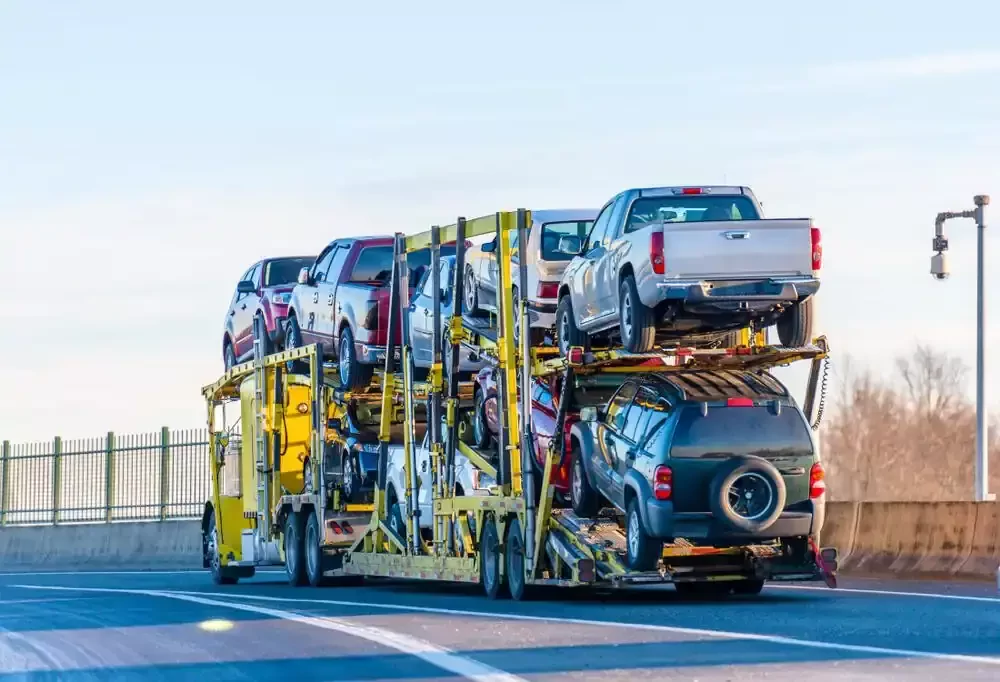
Open Transport: This is the most common and cost-effective method, where vehicles are transported on open trailers. However, cars are exposed to weather and road debris. It's suitable for most vehicles and budgets.
Enclosed Transport: Offers protection from the elements by transporting vehicles in enclosed trailers. This method is ideal for luxury, classic, or high-value cars but comes at a premium, typically 40–60% more than open transport.
Delivery Options
Door-to-Door Service: The carrier picks up and delivers the vehicle as close to your specified locations as possible. This option offers convenience but may be more expensive.
Terminal-to-Terminal Service: Requires you to drop off and pick up your vehicle at designated terminals. While less convenient, it can be more economical.
Seasonal Demand
Shipping costs can fluctuate based on the time of year. High-demand periods, such as summer months and holidays, often see increased prices due to limited carrier availability. Conversely, shipping during off-peak seasons may result in lower costs.
Fuel Prices and Carrier Availability
Fluctuating fuel prices directly impact shipping costs, as carriers adjust rates to cover fuel expenses. Additionally, routes with higher demand may have more competitive pricing due to increased carrier availability, while less-traveled routes might be more expensive.
Tips for Cost-Effective Car Shipping to Los Angeles
Plan Ahead: Booking your shipment in advance can provide more options and better pricing. Last-minute bookings often come with higher costs due to limited availability.
Compare Multiple Quotes: Obtain estimates from several reputable auto transport companies to find the best rate and service for your needs.

Be Flexible with Dates: Flexibility in pickup and delivery dates can lead to lower prices, as carriers can optimize their routes more efficiently.
Choose Appropriate Insurance Coverage: Ensure that the carrier's insurance coverage meets your needs. While additional insurance may increase the cost, it provides peace of mind during transit.
Research Companies: Read customer reviews and verify the credentials of auto transport companies to ensure reliability and quality service.
Conclusion
Understanding the cost to ship involves considering various factors, from the distance and type of vehicle to the chosen method. By exploring these elements and implementing effective strategies, you can confidently navigate the process, ensuring a smooth transition for your automobile to the City of Angels. Whether you're a new resident or a seasoned traveler, being informed about the expense empowers you to make sound decisions and enjoy the journey to your new destination.

Frequently Asked Questions
What is the average cost to ship a car to Los Angeles?
Most shipments to Los Angeles fall between 700 and 1,400 dollars for standard sedans using open carriers. Pricing is influenced by distance, seasonal demand, vehicle size, and whether the route moves through congested corridors like the West Coast. Longer hauls such as Chicago or Miami to Los Angeles often land near the upper end of the range, while nearby Southwest routes trend lower. For quick comparisons across major U.S. corridors, see the national car shipping cost guide.
How long does car shipping to Los Angeles usually take?
Cross-country deliveries to Los Angeles typically require 6 to 9 days, while regional West Coast routes often arrive in 2 to 4 days. Transit time is shaped by distance, route congestion, weather on the I-5 and I-10 corridors, driver hours-of-service rules under the FMCSA, and whether the shipment is open or enclosed. Expedited service can shorten delivery by 1 to 2 days but adds cost.
Does the transport type change what it costs to ship a car to Los Angeles?
Yes. Open carriers usually offer the lowest rates and handle most Los Angeles traffic. Enclosed carriers cost 40 to 60 percent more because space is limited and protection is higher. Enclosed is recommended for luxury, classic, or low-clearance vehicles; open suits most daily drivers. For details on premium protection options, see enclosed auto transport.
How do seasons affect car shipping prices to Los Angeles?
Prices often rise during summer, late-year holiday travel, and spring relocations when demand surges nationwide. Carriers running into Los Angeles also see rate bumps during wildfire periods or heavy rain events that slow travel through California’s mountain passes. Booking 1 to 2 weeks early helps secure more stable pricing.
Are there extra fees when shipping a car to Los Angeles?
Additional charges may apply for non-running vehicles, expedited pickup, residential access issues, or inland delivery from the ports. Some carriers add fees for oversize SUVs or aftermarket modifications. Insurance beyond the federally required carrier coverage may also raise the total. Requesting a fully itemized quote helps you validate every line item.
How can I get the most accurate quote for shipping a car to Los Angeles?
Providing a precise pickup address, delivery ZIP within the Los Angeles region, vehicle year, make, model, running condition, and preferred carrier type produces the most accurate estimate. Quotes become more exact when you specify flexible pickup windows and note any hills, restricted streets, or gated access. You can compare updated lane pricing with the rate quote tool.
Can I track my vehicle while it’s being shipped to Los Angeles?
Many carriers support location updates during transit. Standard shipments include driver check-ins, while some fleets offer digital progress updates for long routes into Southern California. Tracking frequency varies by carrier, weather, and cell coverage along interstate corridors. Learn more about available tools.

 Share on Facebook
 Share on LinkedIn
 Share on Twitter
 Google
  Instagram
 Dave C.
  Courtney J.
  Jeff D.
  Maria L.