Can I Ship A Truck With A Lift Kit And/Or Oversize Tires?

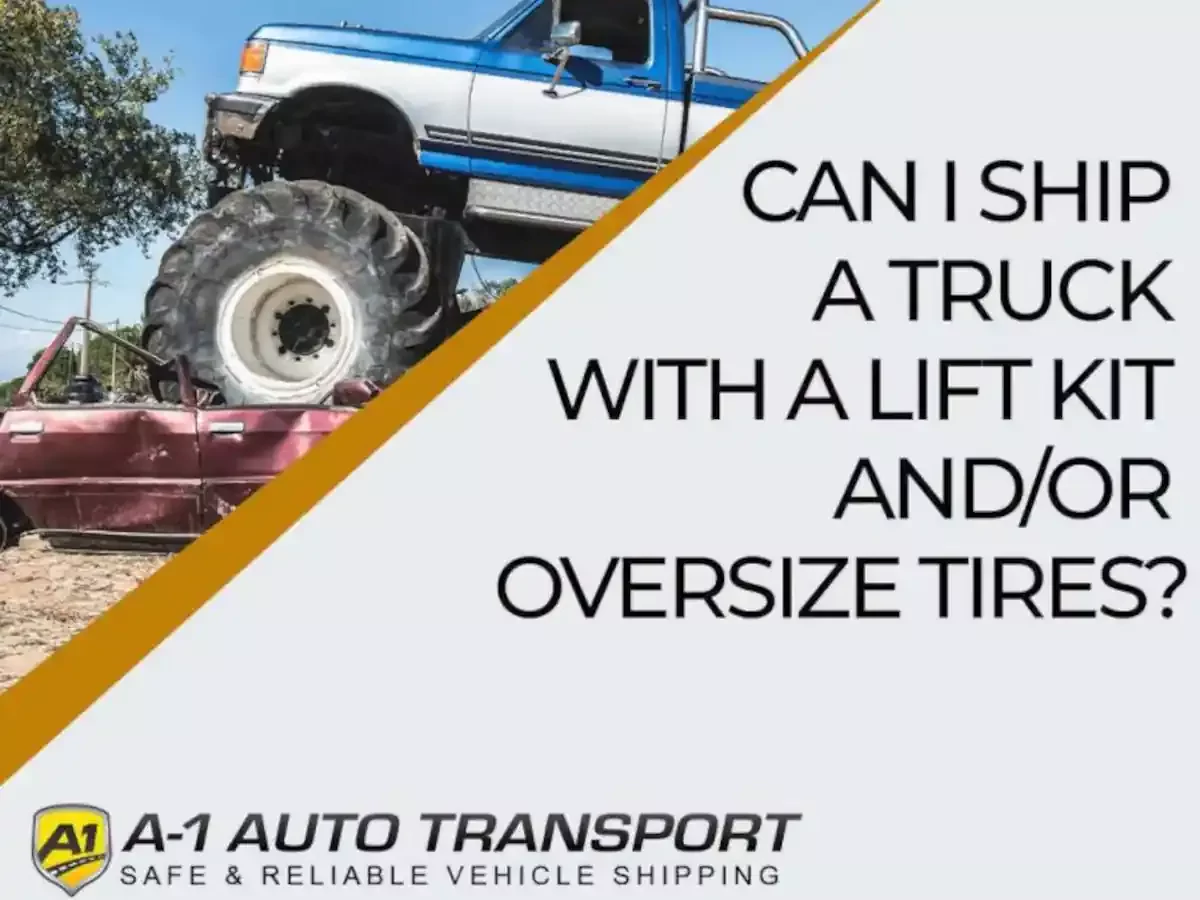
How do I know if I Can Ship a Truck With a Lift Kit and oversized tires?
Most automobile modifications require the transporter to adjust to accommodate your vehicle. Usually, the prices you see online are meant for cars that haven't been modified. This is why most modifications will attract extra charges from the standard shipping charges on the transporter's website. So, if your truck has a lift kit or oversized tires, you can ship it, but you need to let us know these details so we can prepare an accurate shipping cost for you.
Many automobile owners modify their vehicles to make them more unique and often to improve their performance. Most car owners will eventually lift their vehicles. Installing taller, sturdier tires that can withstand more wear and tear is a primary motivation for car and truck lifts. Some car owners choose to do this to improve the car's looks or performance.
Apart from lift kits and oversized tires, inform your transporter of any other modifications, such as whip-style antennas, overextended mirrors, undetachable roof racks, mechanical issues, and any other issues you feel are unique to your vehicle.
You should prepare your track for shipping in advance as this gives you ample time to notice any mechanical issues and repair them before the shipping date. Keep reading to learn the essentials of preparing your truck for shipping.
- Lifted trucks with 35-inch or larger tires typically cost 15–30% more than standard truck shipping rates due to specialized trailer and loading requirements.
- Carrier assignment for modified trucks takes 2–7 business days; trucks exceeding standard height limits may require a flatbed, extending scheduling timelines.
- DOT clearance rules require carriers to verify overall vehicle height, width, and weight before dispatch; undisclosed modifications can result in refusal at pickup.
New Deals are now available for shipping all types vehicles using our vetted reliable shippers. Compare price estimates & Unlock up 25% off.
Remove custom products and personal items.
Your truck will go through an inspection, where it will be loaded and unloaded several times while in transit. As a result, the car will most likely travel unlocked. For safety concerns, remove any DVD players, TVs, radio faceplates, and custom stereos from the vehicle and ship them separately. Remember, your transporter's responsibility is to deliver your truck and not your items. Again, truck transporters are licensed to transport automobiles, not goods, so to avoid penalties, transporters won't transport yourvehiclek if it has any personal items. Also, the automotive transporters insurance covers the vehicle and not any other items. The last reason you should remove all your personal items from the truck is because they will add to the truck's weight, thus impacting the price and speed of service.
Prepare the truck for transport.
Though your truck will be driven minimally to load it, it should be mechanically sound and in good driving condition. Although inoperable vehicles can be shipped, you must inform the transporter beforehand so that they can make the necessary arrangements. Performing the required maintenance checks before the pickup day is imperative. This list entails preparations needed for your truck.
- You must top off all fluids in the truck
- Ensure the battery is fully charged and the tires are fully inflated.
- Since an almost-empty tank will cut on weight and keep your shipment moving quickly, run down your gas tank to an eighth or a quarter full.
- For a few weeks before shipment, continue inspecting the truck. Inform your transporter if you have mechanical problems or leaks. Automotive leaks are never placed on the top rack of the carrier since they will drip on the vehicles below. For multi-carriers, trucks are usually on the lowest rack.
- You should have an extra set of keys from the truck to give the driver one set and remain with the other.
- If the truck has mechanical problems and requires special steps to start it on and off, document them and hand them to the driver. Also, write down any other peculiarities needed when handling the truck.
- Prepare the truck for the new climate by giving the driver what it needs, such as transmission oil and engine coolants.
- Before loading the truck, ensure your transporter has working contact details so they can reach you throughout the truck's relocation.

Have you secured everything? Are all your items out? Have you informed your transporter of any modifications in your truck? After making sure all these are complete, the next and last thing is to ensure you're present on the day of offloading so that you can sign the landing bill to confirm the condition report of your truck. If you're unavailable on the offloading day, you can always send a trusted representative to stand in the gap.
We ship everything from trucks to luxury vehicles and other automobiles. If you have more questions, feel free to contact us.
Frequently Asked Questions
Can I ship a truck with a lift kit and/or oversize tires?
Yes. You can ship a lifted truck or a truck with oversize tires, but the carrier must know the overall height, tire size, vehicle width, and weight before dispatch. These modifications may require a specialized trailer, adjusted loading equipment, or a different carrier, which can affect pricing and availability. Reviewing your options for truck shipping helps ensure the correct trailer is assigned before pickup.
Can you ship a lifted truck on an open car carrier?
Yes, many lifted trucks can be transported on an open carrier if they remain within legal height limits and safe loading specifications. Trucks with very large lift kits, 35-inch or larger tires, or unusually high ground clearance may require a flatbed or specialized trailer instead. Supplying your truck's exact dimensions allows the carrier to select the safest transport option before pickup.
Does a lift kit increase the cost to ship a truck?
In many cases, yes. A lift kit can increase shipping costs because vehicle height, oversize tires, carrier capacity, route distance, season, and trailer type all influence the final price. Taller trucks may not fit on every transporter, requiring specialized equipment. If you're comparing rates, our car shipping cost guide explains how modified vehicles are priced and what affects your quote.
What information do I need to provide before shipping a lifted truck?
Be prepared to provide the year, make, model, lift height, overall vehicle height, tire size, wheel width, and any aftermarket accessories such as roof racks, light bars, or heavy-duty bumpers. Accurate measurements help carriers verify DOT clearance requirements, assign suitable equipment, and avoid loading issues. Learn more about the preparation process through our car transportation services.
Can oversized tires damage a truck during transport?
No. Oversized tires alone do not typically cause damage when the carrier plans for the truck correctly. The primary concern is loading clearance, ramp angle, and secure tie-down placement, not the tires themselves. Professional carriers use equipment designed for modified trucks and adjust loading procedures based on vehicle dimensions and ground clearance. Declaring all modifications before pickup helps ensure a safe shipment.

 Share on Facebook
 Share on LinkedIn
 Share on Twitter
 Dave C.
  Courtney J.
  Jeff D.
  Maria L.
  Google
  Instagram
  BBB
BBB