International Car Shipping by Sea


What is the International Car Shipping by Sea?
If you have a car, truck, motorcycle, ATV, or moped and are going to be traveling outside of the United States, you may want to import your vehicle so you can travel at leisure.
The most important thing to have when shipping a vehicle internationally is security while the car is in transit.
Foreign Rules and Regulations.
Before shipping to another country, you may want to contact the consulate in the country you plan on traveling to to get answers to a few questions you may have before the importing process begins. Some critical questions to ask before choosing international car relocation by sea include:
- How much will it cost for your import?
- What taxes and duties are you required to pay, and when?
- Which shifting option is available for the port you will be shipping to?
- Would you be able to sell your vehicle in the country if you choose to?
- Does your vehicle qualify to be a luxury vehicle? If so, will you be charged luxury car tax, too?
Most European ports will charge an entry tax, on average around $200.00. Will the country you are transporting to require this entry tax as well? You need to talk with A1 Auto Transport service to know more about it.
- International car shipping by sea via RoRo or container typically costs $900–$3,000, with transatlantic routes to Europe averaging $1,500–$2,500 and longer hauls to Africa or Southeast Asia running higher.
- Ocean transit ranges from 2–7 weeks; East Coast to Europe averages 14–25 days, while routes to the Middle East, Africa, or Southeast Asia typically take 30–45 days.
- All international sea shipments require an original vehicle title, shipper's export declaration, and FMCSA-compliant carrier registration before U.S. Customs will authorize export clearance.

Before Shipping Documentation.
Before you begin international car shipping by sea the process of shifting, you must fill out the proper paperwork to obtain permission to ship. You must pay particular attention to this part of the process because it will determine many factors, including if you can gain permission to enter another country. You will also want to have A1 Auto Transport Service shipping agents review the paperwork before submitting it to determine if you have everything you need. You will need to have both originals and copies of all the required paperwork. You will need the following:
- Vehicle title.
- You will need a manufacturer's statement if you do not have a title.
- A lien holder's permission letter is needed if your vehicle has a lien against it.
Ask A1 Auto Transport Service agents for a complete list of documents you must bring. Additionally, there are other steps to take when international car shipping by sea as it will need to be prepped for transport. This includes:
- Cleaning your vehicle out so that no personal items are inside.
- You have no other tools in the vehicle, except for a car jack and spare tire.
- All alarms have to be disabled.
- No loose objects, such as antennas, can be left on the car.
You must ensure that your car will be inspected before shipment to avoid delays.
The cost for Shipment.
If you're considering relocating your vehicle worldwide by water, you should double-check the whole cost to ensure you won't be surprised by any fees before, during, or after delivery. Learn how much A1 Auto Transport Service will charge you for their services and enjoy the benefits of having a staff by your side during the entire process.
Relocating Methods
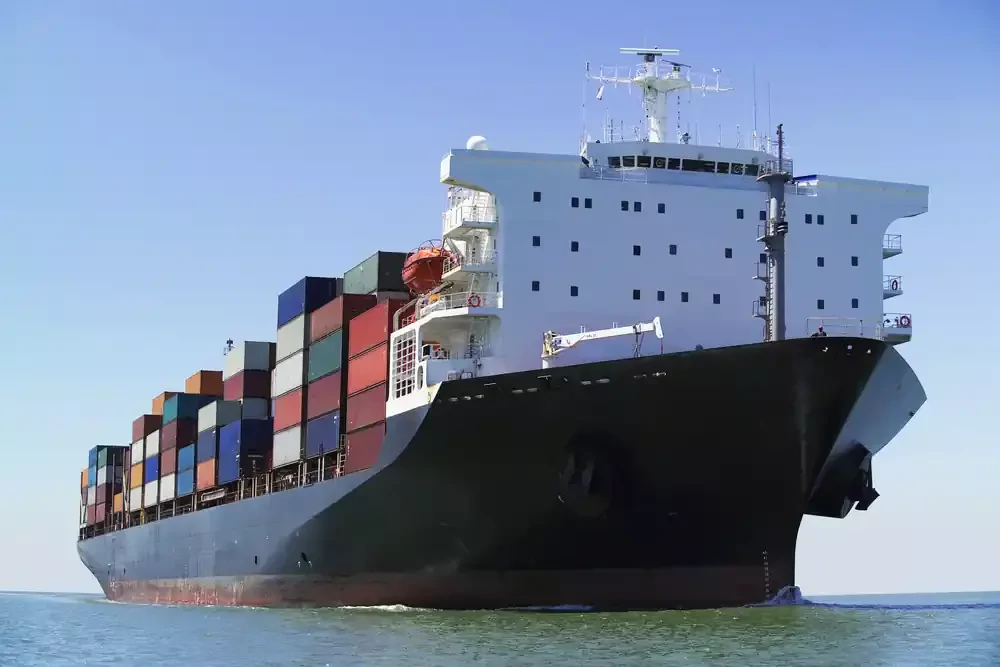
Your vehicle can either be driven on the shift, strapped down for security, and then driven off the ship when it reaches the new port, or placed inside a container and loaded on a cargo ship. The first method is called the roll-on/roll-off method of relocating, and the second shipping method is called container hauling. If you have a valuable car or you want to shift over a few of your household goods, you will want to choose the container shifting option. If you'll transport your vehicle on a budget or at the lowest prices possible, then Roll On/ Roll Off is the best way to do that. The cost stays low because hundreds of vehicles can be shipped at one time, dividing the cost among everyone who has a vehicle aboard the ship. This is the most common way to transport a car from the United States to another country.
Related Information & FAQ
Frequently Asked Questions
How much does international car shipping by sea cost?
As of September 29, 2026, international car shipping by sea from the U.S. commonly costs about $1,000-$5,000 for a standard vehicle, while port-to-port RoRo on common lanes is often around $900-$2,000. A dedicated container can reach the upper end or exceed it, especially on long routes. Destination duties, taxes, storage, inland transport, and some terminal charges may be separate from ocean freight. A1's international car shipping rates calculatorcan narrow the estimate by vehicle and route.
How long does overseas car shipping by sea usually take?
Port-to-port international car shipping by sea commonly takes 2-6 weekson established routes, although the exact sailing schedule depends on the port pair and whether transshipment is required. For the U.S. East Coast-to-Northern Europe corridor, including New York or New Jersey toward Bremerhaven, current sources place typical ocean transit at roughly 2-4 weeks. Longer services toward Australia and other distant destinations commonly take about four weeks or more. Pickup scheduling, export processing, and destination customs add time outside the loaded ocean transit.
Is RoRo or container shipping better for an international vehicle move?
RoRo usually fits a running standard vehicle, while container shipping is useful when you want a sealed loading space, need to consolidate vehicles, or have a car requiring different loading arrangements. RoRo vehicles are driven aboard specialized vessels and secured on vehicle decks, which avoids container stuffing and crane handling. Container service uses a 20-foot or 40-foot box and can serve routes or vehicles that do not fit a RoRo booking. A1's RoRo shipping cost guide explains how that method is priced.
What documents do I need to ship a car overseas by sea from the U.S.?
For a used U.S.-titled vehicle, the core export paperwork includes title documentation and an Electronic Export Information filing through AES. CBP states that a U.S.-titled vehicle generally requires the original title or a certified copy plus two complete copies, while the EEI filing produces an Internal Transaction Number used as proof of filing. The required export information must reach CBP at least 72 hours before export. Destination-country import permits and supporting documents vary, so check those separately. A1's international car shipping documents guide covers the paperwork process.
How many cars can a 40-foot shipping container carry?
A 40-foot shipping container generally carries two cars when they are floor-loaded or three to four smaller vehicles with a professional racking system. Exact capacity depends on each vehicle's length, height, width, and the container type; large SUVs and pickups can reduce the number that fits. A 40-foot high-cube container adds interior height, which can help with multi-level loading. The loading crew still needs enough clearance for securing points, straps, and safe separation between vehicles.
How do I choose a reliable international sea freight company for my car?
For a U.S.-origin ocean shipment, verify that a company acting as an ocean freight forwarder or NVOCC has the appropriate Federal Maritime Commission OTI status. The FMC licenses qualified U.S.-based OTIs and maintains records for licensed and bonded ocean transportation intermediaries. Then compare quotes on the same scope, including ocean freight, terminal charges, destination fees, and any optional marine cargo insurance. If domestic trucking is also included, verify the authorization for that separate motor-carrier or broker leg rather than treating FMCSA registration as the ocean-export credential.

 Share on Facebook
 Share on LinkedIn
 Share on Twitter
 Dave C.
 Courtney J.
 Jeff D.
 Maria L.
 Google
 Instagram
 BBB