Long Haul Car Transport - Long Distance Auto Transport Companies


Why So Many People Prefer Long-Distance Car Shipping
Long-distance car transport, or long-haul auto shipping, is a popular choice for moving vehicles, whether you're transferring your car across state lines or even across the country. At A-1 Auto Transport, we’ve seen firsthand how these methods can save time and money while ensuring your vehicle arrives safely.
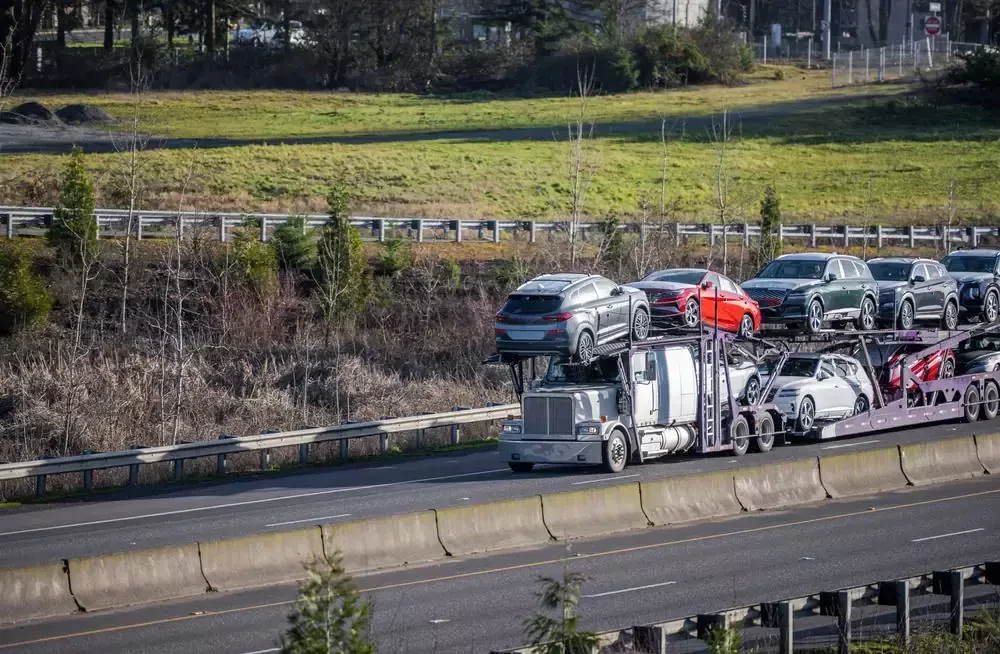
For starters, long-haul carriers are built for volume. These heavy-duty trucks have flatbed rigs that can simultaneously hold six to ten vehicles. When more cars are transported together, the overall cost per car drops significantly, making it an economical option for many.
Another significant advantage is the power behind these trucks. They are engineered with high torque to comfortably transport thousands of tons, ensuring heavy loads like yours are moved safely, even over long distances. And when it comes to shipping your car, you can choose between open and enclosed transport. While open-air shipping is more affordable, enclosed carriers offer extra protection from harsh weather, road debris, and other elements, giving you added peace of mind.
Long-haul shipping isn’t just about saving money but also efficiency. With a 28 to 30-foot trailer length, these carriers can consolidate multiple shipping orders from the same area. This consolidation means lower gasoline costs and, in turn, more savings for you. Although grouped shipments might extend delivery times for a single vehicle, businesses and multiple-car shipments benefit significantly from the increased daily output and reduced costs.
If you plan to move more than one car to a common destination, long-haul car shipping is wise. You’re essentially paying for one truck no matter how many vehicles are on board, which leads to significantly reduced rates.
When planning your move, don’t hesitate to ask about expected delivery times and service options. A-1 Auto Transport is here to guide you every step of the way.

High Torque
Car carriers have engines with high torque. Torque is the strength of force an engine has to pull its extra weight. Long-haul car shipping trucks have high torque as the cargo can get as heavy as several thousand tons. Long vehicle carriers can ship vehicles of all types, including normal two or four-door cars, buses, RVs, and even some middle-sized trucks. Depending on the type of vehicle, long-haul car transporting carriers have the muscle to pull the cargo. However, they must be driven by experienced long-haul drivers.
Versatility
Long-haul car transportis versatile. It allows the client to choose between enclosed and open-air shipping options. The enclosed shipping option entails transporting cars inside an enclosed cargo container placed on the flat rack of the long-haul car trailer. More than most, enclosed shipping will compel the car shipping company to arrange the cars in a single line. This is because enclosed cargo containers are not universally designed to accommodate cars in a double-decked manner; the enclosed cargo containers are not subdivided into lower and upper compartments big enough to accommodate cars.
The air car shipping option entails transporting cars inside an open car loader laid on the flat rack of the long-haul car shipping truck. An open car loader is an “open air” container onto which cars are secured on pickup. Open car loaders can come in two forms: single compartments where several cars are arranged in a single file and double-decked compartments where several cars can be shipped in a single file, both on the lower and upper compartments. Double-decked open car loaders accommodate more cars than enclosed cargo containers. Of course, the maximum cargo weight guidelines dictated by the Federal Motor Carrier Safety Administration will limit the number of vehicles a long-haul car transporter can carry.
Enclosed shipping cargo containers may limit the auto transport company and the client regarding the number of vehicles that can be shifted. Still, it provides extra protection to the vehicles against external elements. On the other hand, open-air transport is cheaper and accommodates more vehicles. Personal preference determines which option one picks, but in general, Long-haul car transport is a versatile means of car shipping.
Long Mileage
Long-distance car transport carriers are designed for long distances. Long transits like coast-to-coast car transportation are best done through long-haul trucks. Long haulers have either 16 or 18 wheels, depending on the design and make. They are specifically tailored to endure long-distance shipping while carrying tremendous weight. The wheels are tailored explicitly with powerful shock absorbers to protect vehicles in transit over bumpy roads. Long-haul car shipping is also preferred, as most shipments are done at night with minimal traffic. A whole night’s drive will see more extended mileage coverage.
Relevant Statistics
- The average distance traveled for long-haul car transport is around 1,300 miles.
- Over 96% of long-distance auto transport companies now provide door-to-door service.
- Long-distance vehicle transport is nearly 18% of all vehicle shipping services globally.
- Most long-haul car deliveries take between 6 and 12 days from pick-up to drop-off.
- Approximately 82% of vehicles shipped over long distances are moved using enclosed trailers for better protection.
General Facts
- Long-haul car transport involves moving vehicles over extended distances, often between cities or across national borders
- Shipping companies use specialized carriers and trailers to deliver cars safely and securely.
- The price of long-distance car shipping depends on several key factors, such as mileage, vehicle size, and delivery speed.
- Choosing a trustworthy car shipping company that includes insurance is essential to protect against damage during delivery.
- This method is popular among people relocating, selling or buying vehicles online, or attending car-related events far from home.
A1 Auto Transport
A1 Auto Transport is a leader with a reputation in the auto shipping industry. We have decades of experience shipping all types and sizes of cars, SUVs, other vehicles, and heavy equipment, including long-haul Car Carriers. We have a network of professional staff who show great diligence and commitment when handling every shipping task. We have insurance coverage to guarantee protection in the unlikely event of damage or loss during transit. We operate across state lines in the U.S. and beyond, shipping vehicles at affordable prices for our customers' convenience. Call our customer support team today for free quotes and a stress-free shipping process.
Frequently Asked Questions
What is long haul car transport?
Long haul car transport refers to shipping a vehicle over long distances, typically more than 500 miles, across multiple states or coast-to-coast. It’s ideal for moves, vehicle purchases, or seasonal relocations. Professional carriers use open or enclosed trailers to ensure safe delivery. You can learn more about carrier types and services on our car transportation services page.
How much does long haul car transport cost?
The average long-distance car transport costs between $0.50 and $1.00 per mile, depending on the route, vehicle size, and transport type. Cross-country shipments often range from $900 to $1,800. Using an enclosed carrier adds roughly 30–50% more for high-value vehicles. To estimate your rate, visit our car shipping rates calculator.
How long does it take to ship a car long distance?
Long haul deliveries typically take 5–10 days, depending on distance, route, and weather. Coast-to-coast shipments, such as California to Florida, may take a full week or more. Carriers often make multiple stops, so pickup and delivery scheduling flexibility can help shorten total transit time.
What is the safest way to transport a car long distance?
The safest option for long haul transport is enclosed auto transport, which shields vehicles from weather, debris, and road conditions. It’s preferred for luxury, classic, or newly purchased cars. Open transport is still reliable for everyday vehicles, especially when handled by licensed and insured professionals.
How do I prepare my car for long haul shipping?
Before transport, clean the vehicle, remove personal items, disable alarms, and document existing damage. Leave your fuel tank at about one-quarter full to reduce weight. Confirm that your car is in good working order for loading and unloading. Detailed prep steps are available on our car pick-up and delivery service page.
What’s the difference between open and enclosed long haul car transport?
Open transport carries multiple vehicles on exposed trailers and is the most affordable and common method. Enclosed transport provides full protection within covered trailers, ideal for rare or luxury cars. The choice depends on your budget, vehicle value, and weather exposure along the route. For cost comparisons, see our enclosed auto transport cost guide.

 Share on Facebook
 Share on LinkedIn
 Share on Twitter
 Google
  Instagram
 Dave C.
  Courtney J.
  Jeff D.
  Maria L.