How To Prepare your Vehicle for Shipping


Preparing Your Vehicle To Be Shipped
One of the most important aspects of shipping a car is for you, the owner, to prepare it for shipment. This means you must take care of several things before the vehicle can even be loaded onto the carrier. These steps can help ensure your auto stays safe and secure during transport.
- Keep fuel at one quarter tank before pickup; exceeding that adds unnecessary weight, risks DOT scale-house complications, and provides no loading advantage.
- Remove all personal items before handoff — DOT code prohibits carriers from transporting household goods, and overweight cargo triggers surcharges starting at $250.
- Both owner and driver must sign a Bill of Lading at pickup and delivery; this FMCSA-recognized document is the only enforceable record for damage claims during transit.
Frequently Asked Questions
What steps should I take to prepare my vehicle for shipping?
To prepare your vehicle for shipping, clean it enough for inspection, remove valuables and detachable accessories, and address tire, battery, and visible fluid-leak issues. Remove or deactivate toll transponders, disable the alarm, and set the fuel level to the carrier's requested amount. Keep a working key ready, and disclose low clearance, modifications, or problems that affect starting, steering, or braking. At pickup, review the condition report before signing. A1's car pickup and delivery guide explains the handoff process.
Should I remove personal items before shipping my car?
Remove valuables and loose personal items before shipping your car unless the assigned carrier's written policy specifically permits belongings inside. Some carriers allow a limited secured amount while others do not, and personal items may not be covered by the protection that applies to the vehicle. Keep the driver's area clear and follow the carrier's placement instructions for anything allowed to remain. Keep cash, documents, electronics, and irreplaceable items with you rather than inside the vehicle.
How much fuel should be in my vehicle before transport?
As of September 26, 2026, about one-quarter tank of fuel remains the standard preparation target for an operable vehicle unless your assigned carrier gives different instructions. That amount is normally enough for loading and unloading without carrying unnecessary fuel weight. Do not top off the tank immediately before pickup, and leave enough fuel for the vehicle to be moved on and off the trailer. Treat the quarter-tank level as a carrier preparation instruction and follow any different requirement stated in your booking or terminal instructions.
Do I need to provide keys when shipping my car?
Yes. For an operable vehicle, give the driver a working key or fob that can unlock, start, steer, and shift the car when loading or unloading requires it. Keep your spare set rather than handing over your only copy. If the car uses a digital key, steering lock, battery-dependent shifter, or special transport mode, explain that before pickup so the carrier knows how to move it. A non-running vehicle may still need a key to unlock steering or place the transmission in neutral.
How should I prepare an inoperable vehicle for shipping?
Tell the transport company before dispatch that the vehicle is inoperable and describe whether it can roll, steer, brake, and enter neutral. A car that will not start but rolls freely can often be winched onto a suitable trailer, while locked wheels, missing tires, collision damage, or very low clearance may require different equipment. Keep the pickup area accessible and provide keys if available. A1's inoperable auto transport guide explains how loading differs for non-running vehicles.
Do I need to document the condition of my vehicle before handoff?
Yes. Photograph the vehicle immediately before pickup, then walk around it with the driver and make sure existing damage is recorded on the condition report or Bill of Lading before you sign. Take clear images of each side, the corners, wheels, glass, roof, and any existing dents or scratches; an odometer photo is also useful. Keep your copy of the signed pickup record and compare it with the vehicle at delivery. A1's car shipping documents guide covers related paperwork.
1) Remove any Personal Items from your Car
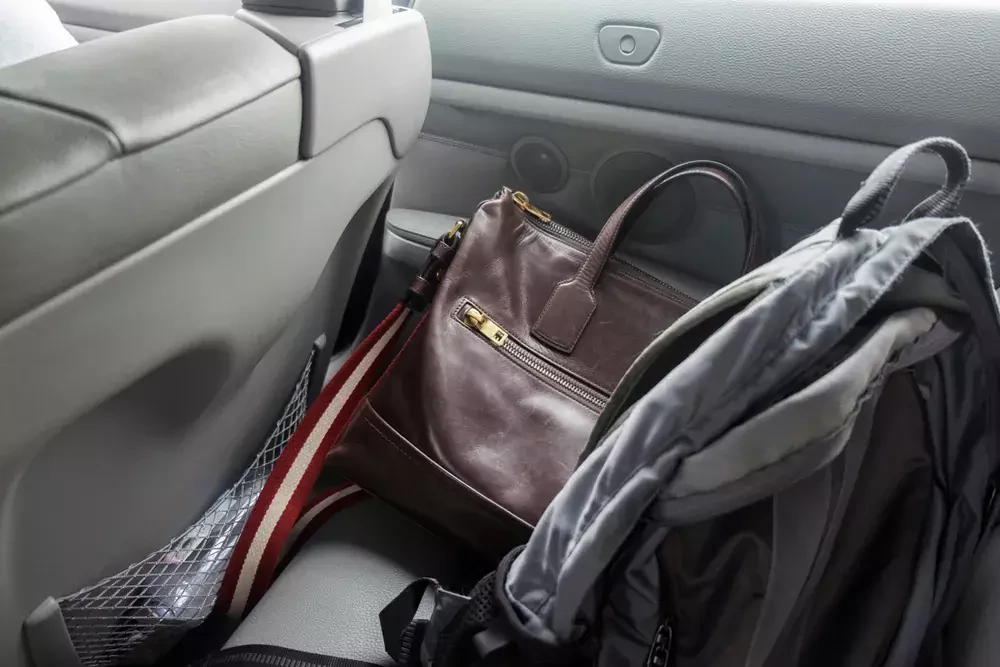
Department of Transportation Code mandates that no auto shipper carry anything defined as “Household Goods”. This means that by law, auto shipping companies are not allowed to move vehicles containing personal items when moving from state to state. You will also want to remove any aftermarket parts that are in your vehicle. For instance, DVD players, GPS navigating systems, or external speaker units should be removed from the vehicle to secure them from damage or theft.
Do not forget to clear anything out of your trunk as well. Also, if your vehicle exceeds its’ standard gross vehicle weight during shipment, you could be charged with a fee for overweight cargo, starting at a minimum of $250. It is also good to note that many auto shipping companies do not insure items within the vehicle, so the solution is simple…clear your car. You can always consult with your shipping provider to find out what other options are available.
2) Wash Your Auto

Once you have the date that the vehicle will be picked up, or shipped out from port, you need to make sure it is washed by that date. Once it has been thoroughly washed and is all shined up, take a walk around it and note any existing dents, dings , or scratches. You need to also check for signs of discolored paint or paint that are chipped off from the surface of the car.
While any type of damage seldom ever happens during professional auto transport, small dents and dings have been known to happen. When your car is clean, it is much easier to spot signs of damage like dents and tiny scratches when the car is delivered.
3) Leave about a Quarter of a Tank of Gas in your Motor

Your motor will not be driven very much during the shipping process, but it might be necessary for the loading and unloading process. In this case, you’ll want to have enough gas to safely run the car for the time it will take to be loaded. Conversely, having a full tank of gas is not recommended. Gas can add a significant amount of weight to your vehicle which can add complications to your auto transport. You only need enough gas to let the carrier driver load or unload the car during shipment.
4) Take Note of the Condition of your 4 wheeler

Shortly before your vehicle is picked up, you will want to wash it clean of dirt and dust. This will allow you to clearly see any dings, dents, or scratches that are already on your vehicle. You will want to either note these damages or document them with photographs. We recommend that you do both to fully ensure that there is no confusion upon delivery.
A-1 Auto Transport ships vehicles worldwide. Click here or call 1-888-230-9116 to get a free, no obligation-to-buy price quote to ship your car.
Taking photographs of the car is highly recommended as you will have documented photographic proof of the condition of the vehicle before it is loaded. Pictures are a good thing to have when the automobile is delivered, just in case there is a discrepancy between you and the company on the condition of the car when it is delivered.
5) Handle Auto Maintenance Before Hauling

Before the car is loaded onto the transport truck, you should have it at the mechanic to have proper maintenance. If the motor is inoperable, you must consult with the hauler beforehand, so they can schedule the right truck and equipment to load and unload your car. If it is operable, you need to have it checked out to make sure there are no leaks or issues that would prevent it from starting, steering, or stopping when needed. Some important things you need to have done before your car is loaded include:
- Check for fluid leaks.
- Fill all fluids to the proper level
- Check the battery and have it charged if necessary
- Check the tire pressure and make sure all tires are inflated properly
- Check mileage just before the car is loaded for the carrier be sure to write the mileage down and check again when the automobile is delivered)
6) Get Duplicate Keys Made

We suggest that you have a spare key made to the car. The driver will have to have a key that unlocks the doors and trunk and will start the car. It is best to have an extra key made just in case one is lost during transport. You do not want to give the driver the only set of keys you have and risk losing them.
7) Understand the Bill of Lading

When your transport driver arrives to pick up your vehicle, they should present you with a Bill of Lading. This document is used to show any existing damages on your vehicle at the time of pick-up. Both you and the driver should inspect the vehicle together to ensure that both parties agree on the existing damage. After inspection, all current damages should be noted on the document, which should then be signed by both parties. Upon the delivery of your vehicle, you should once again be presented with a Bill of Lading which you can use to check for any new damages. If there are any problems, you will have legal evidence to back up any claims you may wish to make through your shipping companies insurance provider.
Note: If you are having your vehicle picked up from a dealership or third-party seller, make sure that they are fully informed about the details of your shipment. You must make them fully aware of the Bill of Lading process, to ensure the safety of your vehicle. Otherwise, some shipping companies might try to claim no fault on new damages, because they will claim that the damages already existed at the time of pick up. The Bill of Lading is a security measure put in place both to protect the shipper and the shipping company from being cheated in any way, so you must take full advantage of this process.
8) Disable Your Alarm

If your vehicle has an alarm on it, you must disable it before shipment. If you do not do this and your alarm is triggered during transport, the driver will not be able to disarm it. If there are complications with your alarm system, you will want to make sure that your shipping provider is fully aware of the matter, so that if it does go off, they will be able to disarm it.
9) Confirm Contact Information

Most transport drivers, depending on the company, should have a cell phone on their person while en route with your shipment. Before your driver starts out, you will want to make sure that you have the correct contact information to stay updated on your shipment. If your driver does not have direct contact, the company that he is working for should be have some way of tracking your shipment, either by GPS satellite tracking or e-mail correspondence with the driver. Make sure that you have this information so that in the event of a delay, you will be able to contact your shipping provider and get an accurate update as to what is going on with your shipment.
When shipping a vehicle, it is incredibly important that you contact your shipping provider and ask about all necessary preparations/shipping requirements, to ensure that your delivery goes through without any hassles!

 Share on Facebook
 Share on LinkedIn
 Share on Twitter
 Dave C.
  Courtney J.
  Jeff D.
  Maria L.
  Google
  Instagram
  BBB
BBB